How Much Does Retaining Wall Cost in 2026?
Retaining wall cost breakdown by material, size, drainage, and labor. Get realistic price ranges per square foot for US residential projects.
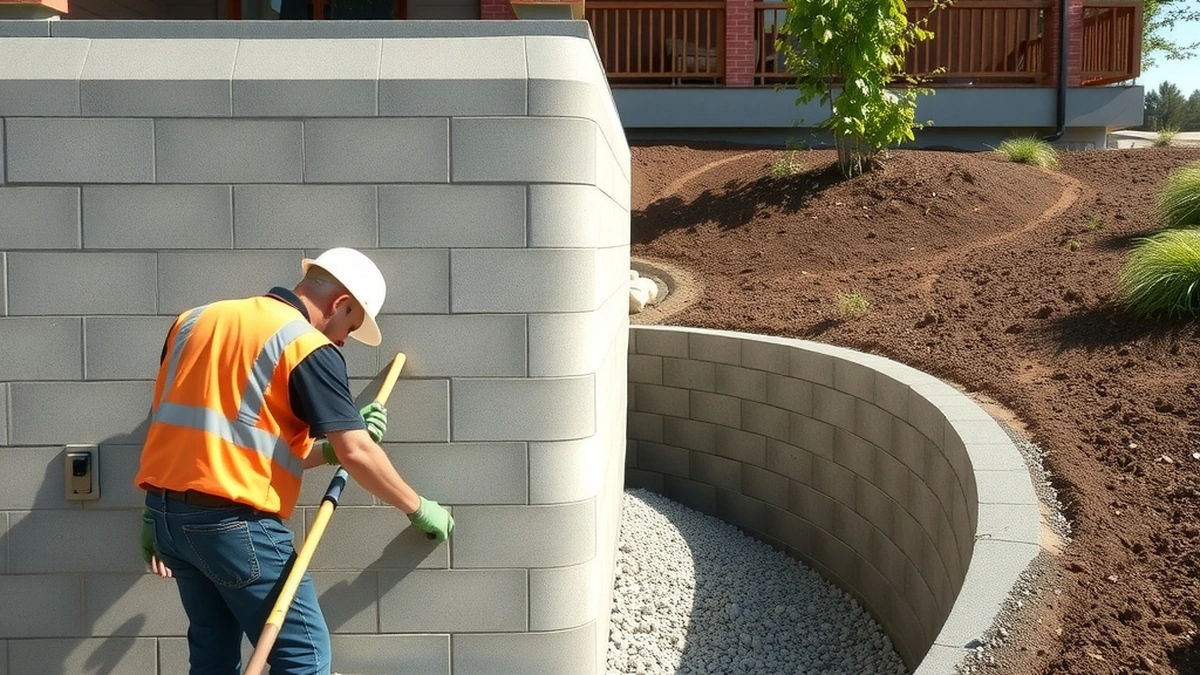
A typical residential retaining wall costs $15 to $60 per square foot installed, with most homeowners paying between $4,000 and $10,000 depending on material, height, and drainage needs.
- Block wall
- $15–$35 / sq ft
- Poured concrete
- $25–$60 / sq ft
- Timber wall
- $10–$25 / sq ft
- Gabion wall
- $20–$40 / sq ft
- Boulder wall
- $20–$45 / sq ft
Some links on this page are affiliate links.If you buy through them we may earn a commission at no extra cost to you. We do not accept payment for rankings. Read the full disclosure.
A typical residential retaining wall costs between $15 and $60 per square foot installed. Most homeowners spend roughly $4,000 to $10,000 for a standard project, though the final price depends on wall height, material, site access, and whether drainage and backfill are included. This guide breaks down retaining wall cost by material and shows how to estimate your own project.
How Retaining Wall Cost Is Calculated
Contractors usually price retaining walls by the square foot of face area. To find face area, multiply wall length by wall height. A wall that is 40 feet long and 4 feet tall has 160 square feet of face area. If the installed price is $30 per square foot, the base wall cost is 160 times $30, or $4,800.
That base price typically covers materials, labor, equipment, and basic site preparation. It often does not include drainage, backfill, permits, engineering, or removal of an existing wall. Drainage and backfill commonly add $5 to $15 per square foot, which is a significant line item on any retaining wall estimate.
Cost by Material Type
Material choice drives most of the price variation. Below are estimated installed cost ranges per square foot for common residential retaining wall types.
| Wall type | Installed cost per sq ft | Typical lifespan |
|---|---|---|
| Timber | $10–$25 | 15–25 years |
| Concrete block | $15–$35 | 30–50 years |
| Gabion | $20–$40 | 30–50 years |
| Boulder | $20–$45 | 50+ years |
| Poured concrete | $25–$60 | 50+ years |
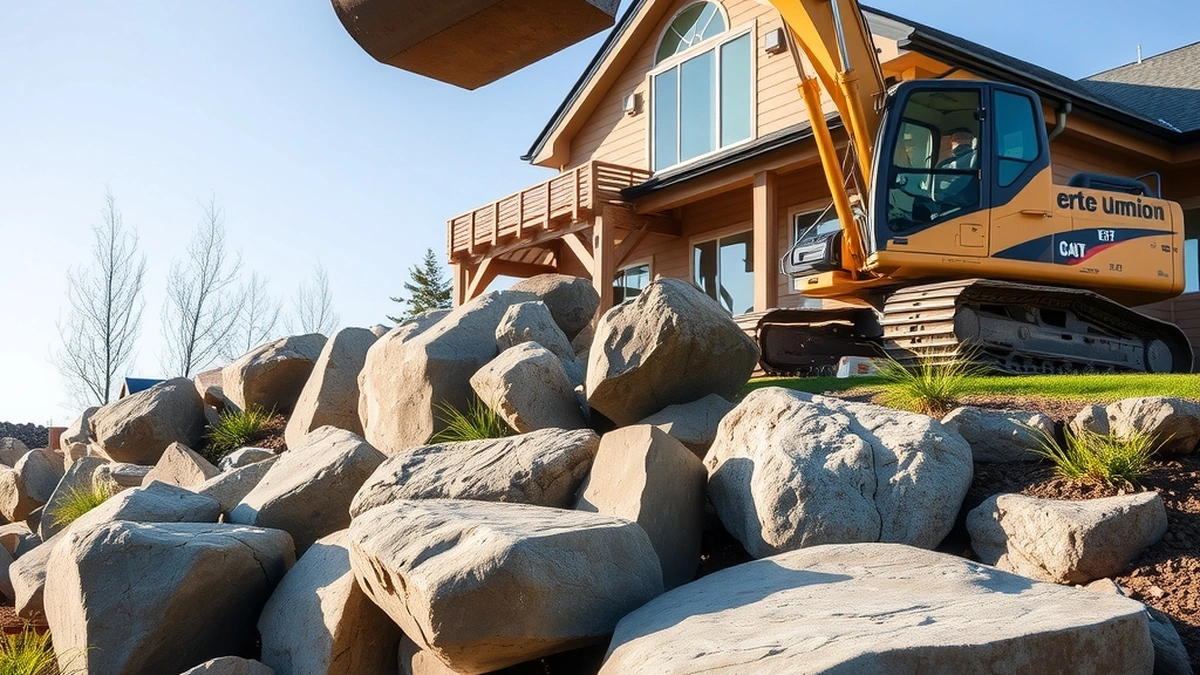
Timber walls sit at the low end of the market. Pressure-treated timbers are relatively inexpensive and easy to install, but they are vulnerable to rot and insect damage over time. Concrete block walls cost more upfront but offer better durability and a cleaner appearance. Gabion walls use wire cages filled with stone and work well in drainage-heavy sites. Boulder walls provide a natural look but require heavy equipment and skilled placement. Poured concrete is the most expensive option and is often used for structural walls or where a smooth, monolithic finish is required.
These figures are estimates. Actual quotes vary by region, contractor availability, wall complexity, and local labor rates.
Drainage and Backfill Add Real Cost
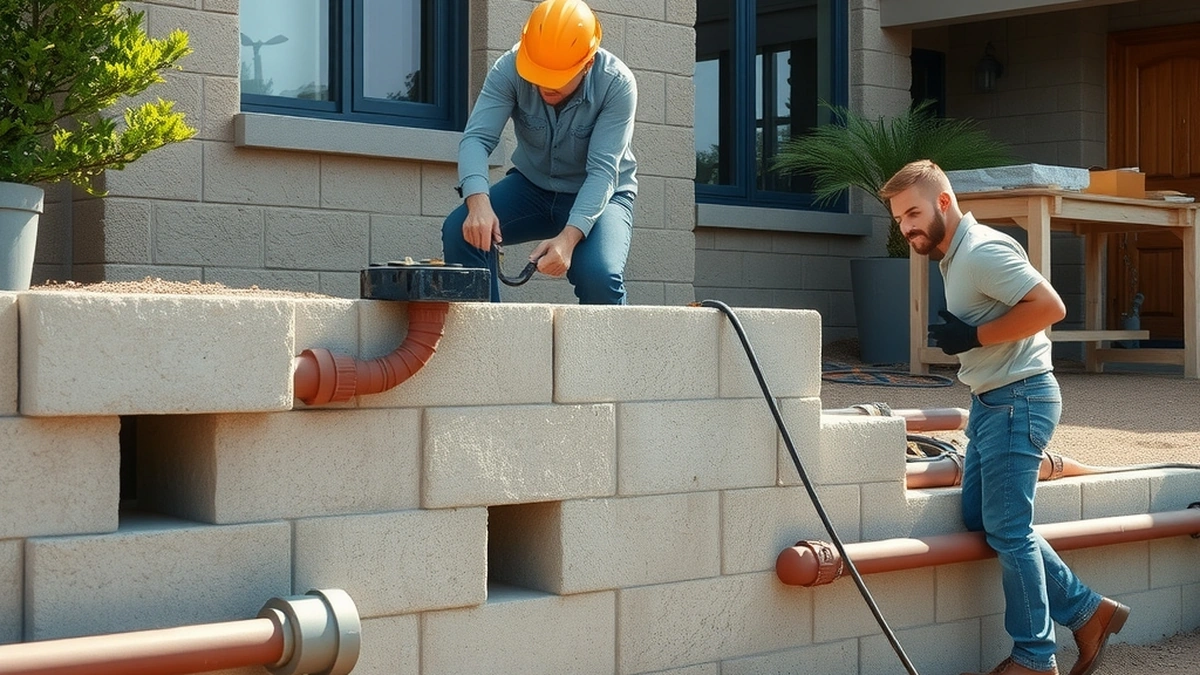
Water is the primary force behind retaining wall failure. Soil pressure increases dramatically when soil becomes saturated, so most codes and best practices require drainage behind the wall. Drainage and backfill typically cost $5 to $15 per square foot.
For example, on a 200-square-foot wall, drainage and backfill might add $1,000 to $3,000 to the project. That scope usually includes gravel backfill, a perforated drain pipe, filter fabric, and outlet drainage. Skipping drainage to save money is a false economy. Hydrostatic pressure can push a wall out of alignment or cause collapse, leading to repair costs that far exceed the original savings.
If you are planning a project, visit our retaining wall installation page to see how drainage is integrated into the build process.
Sample Cost Scenarios
Here are three hypothetical residential scenarios to show how the math works in practice.
Scenario 1: Small timber garden wall
- Length: 30 feet
- Height: 3 feet
- Face area: 90 square feet
- Material: Timber at $18 per square foot
- Base wall cost: 90 times $18 equals $1,620
- Drainage and backfill: 90 times $8 equals $720
- Estimated total: $2,340
Scenario 2: Medium concrete block wall
- Length: 50 feet
- Height: 4 feet
- Face area: 200 square feet
- Material: Concrete block at $25 per square foot
- Base wall cost: 200 times $25 equals $5,000
- Drainage and backfill: 200 times $10 equals $2,000
- Estimated total: $7,000
Scenario 3: Large poured concrete wall
- Length: 60 feet
- Height: 5 feet
- Face area: 300 square feet
- Material: Poured concrete at $40 per square foot
- Base wall cost: 300 times $40 equals $12,000
- Drainage and backfill: 300 times $12 equals $3,600
- Estimated total: $15,600
These are illustrative estimates, not bids. Your contractor should provide a written quote after a site visit.
Labor, Site Access, and Hidden Costs
Material is only part of the equation. Labor often accounts for 40 to 60 percent of total retaining wall cost. Steep slopes, limited access for equipment, and soil conditions that require excavation all increase labor hours.
Permit fees vary by municipality. Many jurisdictions require a permit for walls over 4 feet in height, and some require engineered drawings for walls supporting buildings, driveways, or steep slopes. Engineering fees can add several hundred to several thousand dollars depending on complexity.
Removal of an old wall, tree roots, or large rocks can also add to the final bill. Always ask whether a quote includes disposal and site cleanup.
When to Repair Instead of Replace
If an existing wall is leaning, cracking, or showing drainage failure, repair may cost less than full replacement. Spot repairs, drainage retrofits, or partial rebuilding can extend service life. However, a wall that is structurally compromised or past its expected lifespan is usually a candidate for replacement.
For guidance on evaluating an existing wall, see our retaining wall repair and retaining wall maintenance articles. Routine maintenance, such as keeping drain outlets clear and monitoring for movement, can help you avoid expensive replacements.
Choosing a Wall Within Your Budget
The right material balances cost, durability, and appearance. Timber works for low garden walls where budget is the main concern. Concrete block suits most residential applications and offers a good middle ground. Poured concrete and boulder walls are better for high-load situations or premium landscapes, but they carry higher price tags.
Before signing a contract, confirm that the quote includes drainage and backfill, labor, materials, permits if required, and a clear warranty on workmanship. Comparing at least three local estimates will give you a realistic sense of market pricing in your area.
For more on material selection, see our best retaining wall overview. If you are weighing a wall against other property boundaries, our retaining wall vs fence comparison may help. Homeowners considering self-installation should review our DIY retaining wall guide for safety and scope limits.
Getting an Accurate Estimate
Online cost ranges are useful for planning, but they are not substitutes for a site-specific quote. Soil type, slope, wall height, surcharge loads from nearby structures, and local code requirements all affect price. Invite licensed contractors to visit the property, request itemized bids, and verify that drainage is included.
A well-built retaining wall with proper drainage can last decades. Paying for quality materials and professional installation upfront usually costs less than fixing a failed wall later.
Frequently asked questions
How much does retaining wall cost per square foot?
Most installed retaining walls range from $10 to $60 per square foot depending on the material, with timber at the low end and poured concrete at the high end.
What is the cheapest retaining wall material?
Timber is typically the least expensive option at $10 to $25 per square foot, though it has a shorter lifespan than concrete or stone.
Does drainage add to retaining wall cost?
Yes. Drainage and backfill typically add $5 to $15 per square foot and are required behind most walls to manage soil pressure and water.
How much does a 50-foot retaining wall cost?
A 50-foot wall that is 4 feet tall covers 200 square feet. At $25 per square foot average, the installed cost would be roughly $5,000 before drainage.
Do I need a permit for a retaining wall?
Many US jurisdictions require permits for walls over 4 feet tall, and local building codes often govern setbacks, surcharge loads, and drainage.
Can I build a retaining wall myself to save money?
DIY can save on labor, but walls over 3 or 4 feet, walls on slopes, or walls supporting structures should be designed by a professional for safety.
Sources
Some links are affiliate links.If you buy through them we may earn a commission at no extra cost to you. We do not accept payment for rankings. Read the full disclosure.