Retaining Wall Maintenance Schedule for Long-Term.
A practical retaining wall maintenance schedule covering drainage, backfill, inspections, and repairs by wall type.
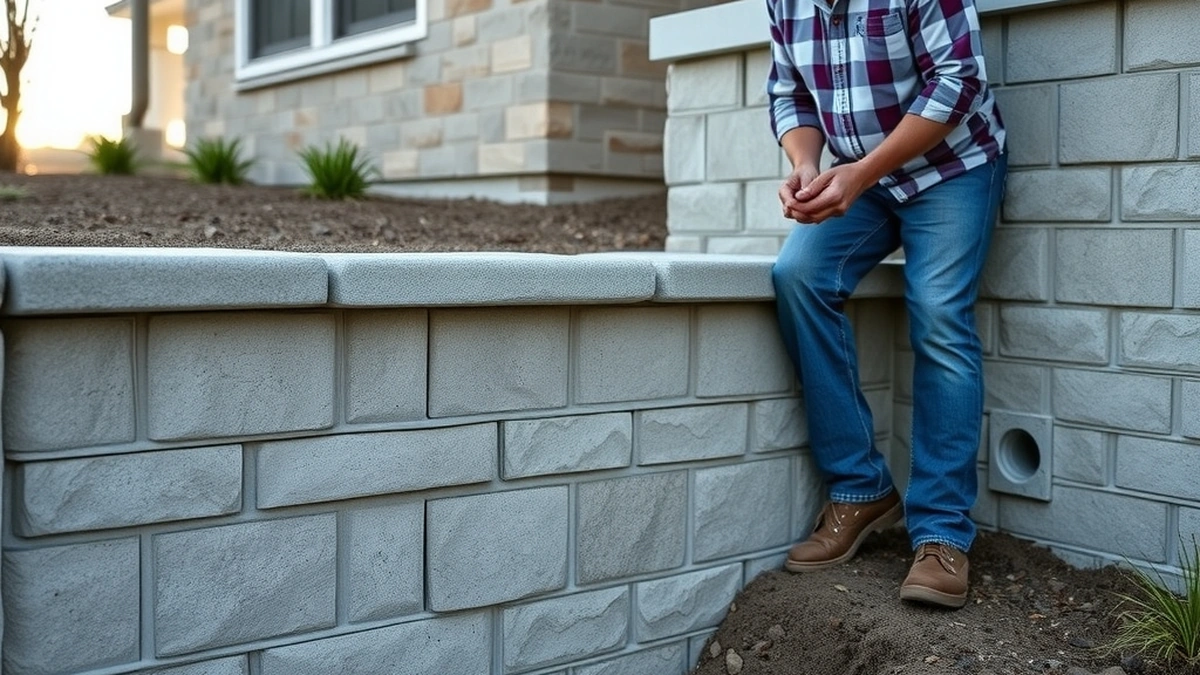
Inspect your retaining wall every spring and fall, clear weep holes annually, and check drainage after heavy rain to prevent soil pressure buildup and costly failure.
- Primary inspection frequency
- Twice yearly (spring and fall)
- Drainage check
- After every major storm
- Weep hole cleaning
- Once per year
- Full structural review
- Every 3–5 years
Some links on this page are affiliate links.If you buy through them we may earn a commission at no extra cost to you. We do not accept payment for rankings. Read the full disclosure.
A retaining wall maintenance schedule protects your property by catching drainage problems and soil pressure issues before they become structural failures. Walls fail slowly, usually because water builds up behind them or backfill settles unevenly. Regular inspections and simple upkeep cost far less than rebuilding a wall that has leaned, cracked, or collapsed.
Why Maintenance Comes Before Block Choice
Retaining walls hold back tons of soil, and water is the force that turns stable soil into a pushing load. A wall with good drainage and compacted backfill can last for decades. A wall with clogged weep holes or saturated backfill can fail in a few seasons, regardless of whether it is made from block, concrete, timber, or gabion.
Material choice affects long-term upkeep, but drainage and backfill determine whether the wall survives its first wet spring. Block walls typically cost $15 to $35 per square foot, poured concrete $25 to $60 per square foot, timber $10 to $25 per square foot, gabion $20 to $40 per square foot, and boulder walls $20 to $45 per square foot. Drainage and backfill add roughly $5 to $15 per square foot. Spending that amount upfront, and maintaining it afterward, is cheaper than replacing any wall type.
Seasonal Maintenance Schedule
Break maintenance into four intervals so nothing gets missed.
Spring Inspection
Walk the full length of the wall after the ground thaws. Look for:
- New cracks in block, concrete, or mortar joints
- Leaning or bulging sections
- Soil erosion at the top or base
- Standing water behind or beside the wall
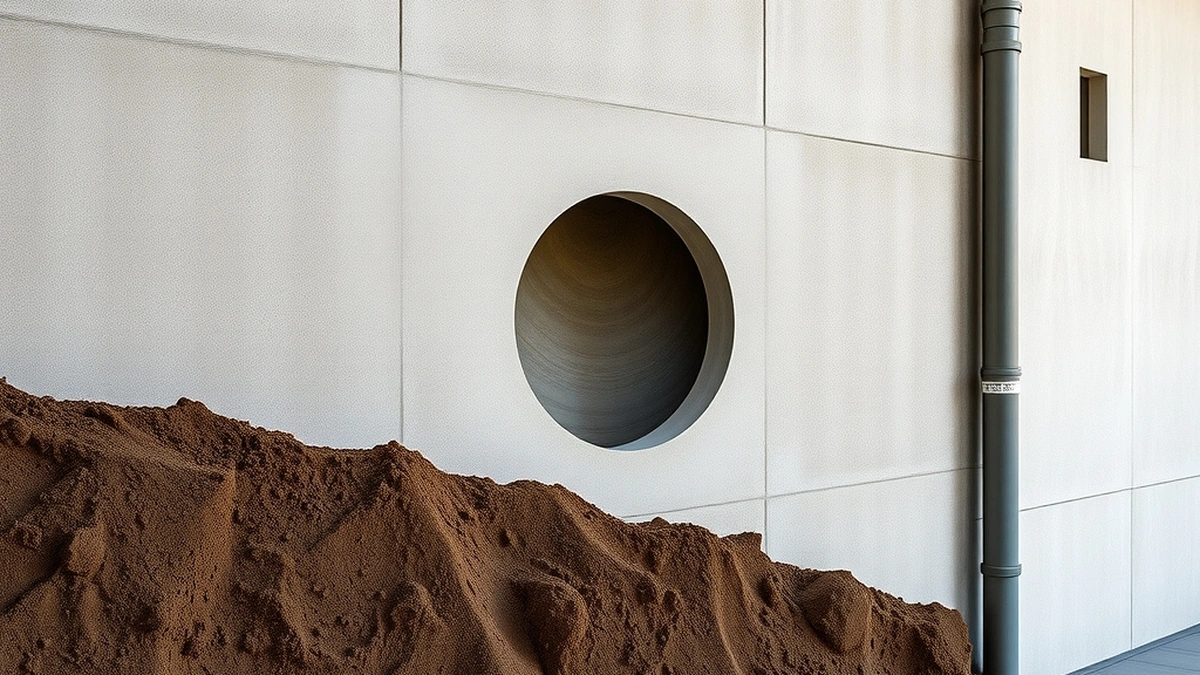
- Blocked or missing weep holes
Spring is also the time to confirm that downspouts and surface water drain away from the wall, not toward it.
Summer Check
During dry weather, inspect for soil shrinkage behind the wall. Gaps between backfill and the wall face can allow water to channel straight to the base during the next storm. Re-grade low spots so surface water runs away from the wall at a slope of at least 2 inches over 10 feet.
Fall Inspection
Before winter freeze-thaw cycles begin, clear leaves and debris from weep holes and drainage outlets. Check that drainage stone behind the wall is not clogged with fine soil. If your wall has timber components, look for early signs of rot or insect activity at ground level.
Winter Watch
After heavy rain or rapid snowmelt, check the base of the wall for new seepage or mud. Do not attempt repairs in freezing conditions, but note problem areas for spring work.
Monthly and Annual Tasks
Some tasks belong on a shorter cycle than seasonal inspections.
- Monthly during wet seasons: Confirm that water exits weep holes after rain. If no water appears after a storm, the holes may be clogged.
- Annually: Clean weep holes with a stiff wire or low-pressure water. Remove vegetation growing in joints or at the base. Roots can widen cracks and displace blocks.
- Every 3 to 5 years: Have a professional review the wall for hidden drainage failure or foundation movement, especially on walls taller than 4 feet.
Drainage and Backfill Checks
Drainage is the first item on any retaining wall maintenance schedule because hydrostatic pressure can exceed the wall’s design capacity. For example, a cubic foot of water weighs about 62.4 pounds. Saturated soil behind a 10-foot-long, 4-foot-high wall section can add thousands of pounds of lateral pressure if it cannot drain.
Check these drainage elements regularly:
- Weep holes remain open and discharge water freely
- Drainage stone or gravel behind the wall is not contaminated with fine soil
- Perforated drain pipe, if present, is not crushed or blocked
- Surface grades direct runoff away from the wall face
If backfill has settled and created a low spot near the wall, add clean, free-draining material and compact it in thin layers. Do not dump topsoil directly against the wall; it holds moisture and increases pressure.
Wall-Type Maintenance Differences
Each material ages differently, so tailor your schedule to what you have.
Concrete block and segmental retaining walls: Inspect mortar joints or interlocking connections for separation. Check that units have not shifted vertically or horizontally. Repoint mortar only when joints are actively deteriorating.
Poured concrete: Look for hairline cracks and surface spalling. Small cracks can be sealed, but widening cracks suggest movement that needs structural review.
Timber: Probe posts and retaining boards for soft spots, especially at ground contact. Timber walls typically cost less to build, from $10 to $25 per square foot, but may need component replacement sooner than masonry.
Gabion: Check that wire baskets are not bulging and that stone fill has not migrated. Rust on wire mesh is a sign to inspect more closely.
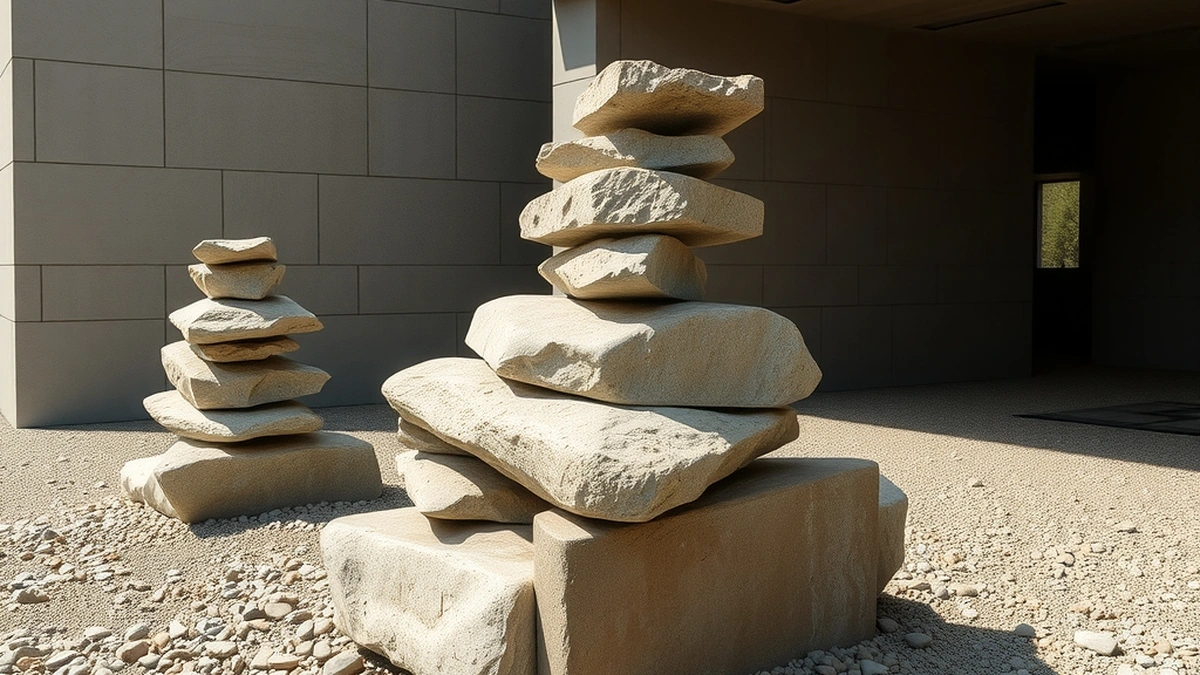
Boulder and natural stone: Verify that individual stones have not shifted and that vegetation is not rooting between stones.
Cost Arithmetic for Maintenance vs. Replacement
Routine maintenance is inexpensive compared with replacement. A homeowner might spend $50 to $200 per year on basic supplies such as drainage stone, sealant, or replacement timber. Rebuilding even a modest 50-square-foot wall illustrates the difference.
At $25 per square foot for block, a 50-square-foot wall costs about $1,250. At $40 per square foot for poured concrete, the same area costs $2,000. Add drainage and backfill at $10 per square foot, or $500, and the total rises to $1,750 to $2,500. Labor, permits, and disposal can push the actual project cost higher.
Spending a few hours each year clearing weep holes and re-grading soil protects that investment. If drainage failure causes a wall to lean or bulge, the repair often requires excavation, new backfill, and partial or full reconstruction.
When to Repair or Replace
Not every crack requires immediate action, but some signs demand prompt attention:
- The wall leans more than 1 inch per 1 foot of height
- Cracks widen faster than seasonal changes
- Water pools at the base and does not drain within 24 hours
- Soil at the top of the wall is slumping toward the wall face
Minor surface cracks and isolated mortar damage can often be repaired. Leaning, bulging, or widespread cracking usually means the wall is under excessive soil pressure or has lost drainage capacity. In those cases, repair may involve removing backfill, installing drainage, and rebuilding affected sections.
For guidance on repair scope, see our overview of retaining wall repair. If you are comparing materials for a replacement project, review how much does retaining wall cost and retaining wall cost per square foot. For expected service life by material, see how long does retaining wall last.
Keeping Records
Maintain a simple log for each wall on your property. Record inspection dates, what you observed, any work performed, and photos of cracks or drainage points. Over time, the log reveals whether a crack is stable or growing, which helps a contractor diagnose the problem faster and can reduce diagnostic labor costs.
A retaining wall maintenance schedule is not complicated, but it must be consistent. Inspect twice a year, clean drainage annually, and address water problems immediately. The wall material matters, but drainage and backfill come first.
Frequently asked questions
How often should I inspect a retaining wall?
Inspect at least twice a year, in spring and fall, and walk the wall after any significant storm to check for new cracks, bulges, or drainage blockages.
What is the most common cause of retaining wall failure?
Poor drainage is the leading cause, because trapped water increases hydrostatic pressure behind the wall and can push even well-built sections out of alignment.
Do timber walls need different maintenance than block walls?
Yes. Timber requires checking for rot and insect damage, while block and concrete need attention to mortar joints, weep holes, and surface cracking.
When should I call a professional for retaining wall maintenance?
Call a professional if you see leaning, bulging, widening cracks, water pooling at the base, or soil movement that suggests the wall is under excessive pressure.
Can I clean weep holes myself?
Yes. Use a stiff wire or garden hose to clear debris from weep holes once a year, but avoid high-pressure washers that can damage mortar or backfill fabric.
How does backfill affect retaining wall maintenance?
Backfill must remain free-draining and compacted without becoming saturated; settled or contaminated backfill should be replaced to protect wall drainage.
Sources
Some links are affiliate links.If you buy through them we may earn a commission at no extra cost to you. We do not accept payment for rankings. Read the full disclosure.