Retaining Wall Repair: When It Is Worth It
Decide when retaining wall repair makes sense versus replacement, with cost math and drainage checks.
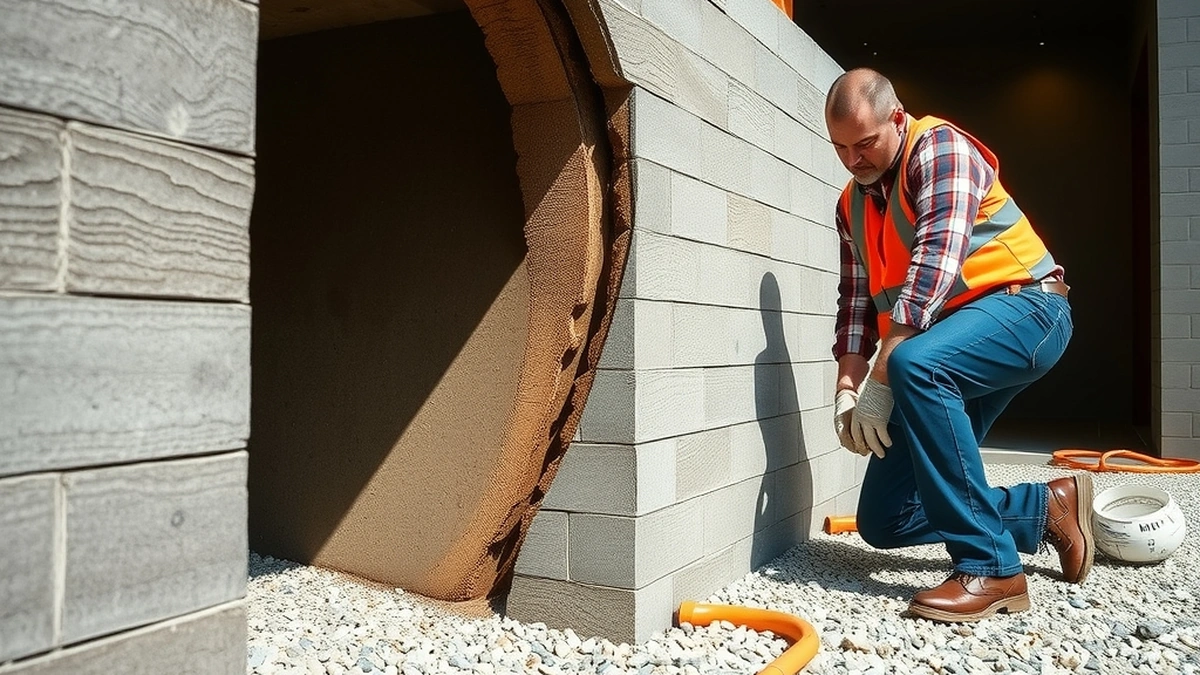
Repair is worth it when damage is surface-level and drainage is sound; replace if the wall leans, bulges, or fails structurally.
- Typical repair scope
- Cracks, loose blocks, drainage fixes
- Repair vs replace threshold
- Repair under 30% of replacement cost
- DIY limit
- Walls under 4 feet, no structural lean
- Key warning
- Leaning or bulging means replace, not repair
Some links on this page are affiliate links.If you buy through them we may earn a commission at no extra cost to you. We do not accept payment for rankings. Read the full disclosure.
Retaining wall repair is worth it when the damage is limited to surface cracks, a few loose blocks, or clogged drainage, and the wall still stands plumb. It is not worth it when the wall leans, bulges, or shows signs of foundation failure, because repairs will not stop soil pressure from pushing it over again. Start with drainage and soil pressure, then decide whether patching or replacement makes financial sense.
Assess the Damage Before Spending Money
Walk the wall and note where blocks are cracked, mortar is crumbling, or timber is rotting. Check whether the wall leans away from the retained soil or toward it. A wall that leans even one or two inches over an eight-foot length is moving under load, and cosmetic patching will not correct that. Look for water pooling behind the wall, muddy discharge at weep holes, or soil slumping at the top. Those are drainage problems, not just masonry problems.
If the wall is under four feet tall and the damage is isolated to a few face blocks or a short section of mortar, repair is usually reasonable. If the wall is taller, leans, or has shifted at the base, replacement is the safer choice. Soil pressure does not decrease over time, so a wall that has already yielded is unlikely to stay put after a surface fix.
Check Drainage First
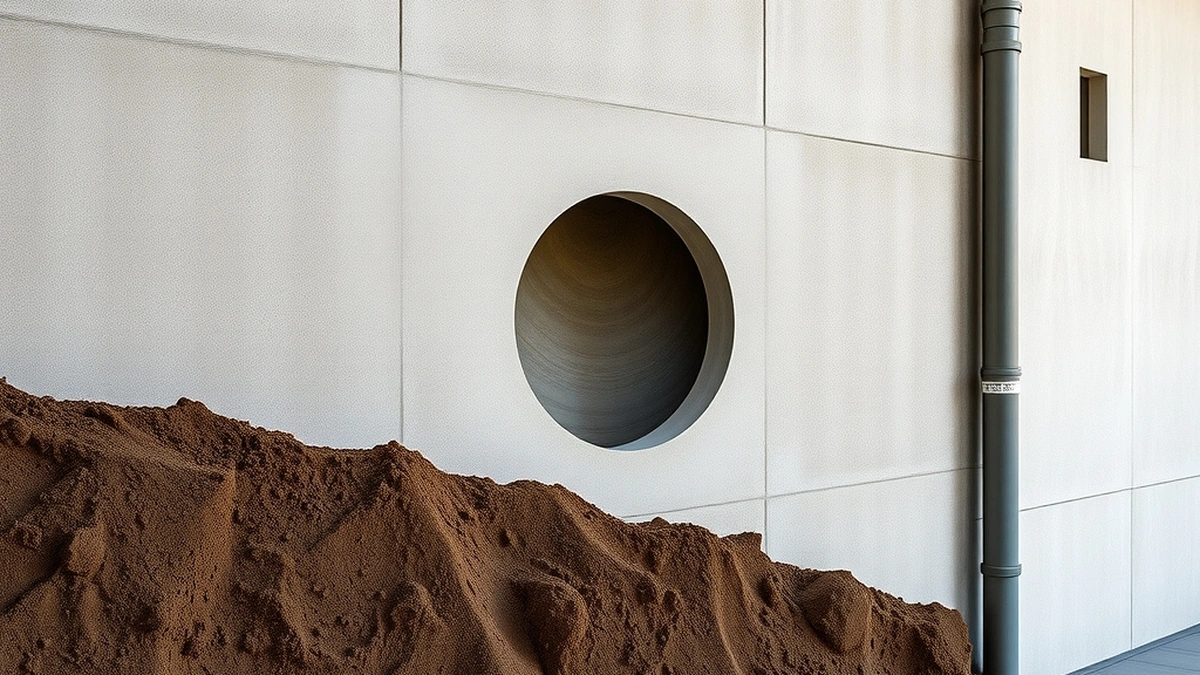
Water is the most common cause of retaining wall failure. Saturated soil behind a wall can weigh more than 100 pounds per cubic foot, and hydrostatic pressure adds force against the back of the structure. A wall built without drain pipe, gravel backfill, or weep holes is working against that full load every time it rains.
Before repairing anything, confirm that drainage exists and works. A proper section includes at least 12 inches of clean gravel behind the wall, a perforated drain pipe at the base sloping to daylight, and weep holes or open head joints every four to six feet. If drainage is missing or blocked, repair the drainage system before touching the wall face. Drainage and backfill work typically costs $5 to $15 per square foot, depending on site access and depth of excavation.
Compare Repair Cost to Replacement Cost
Use replacement cost as your benchmark. Installed retaining wall costs vary by material:
- Concrete block: $15 to $35 per square foot
- Poured concrete: $25 to $60 per square foot
- Timber: $10 to $25 per square foot
- Gabion: $20 to $40 per square foot
- Boulder: $20 to $45 per square foot
For a 40-square-foot block wall, replacement at the midpoint of $25 per square foot costs about $1,000. If a contractor quotes $600 to reset loose blocks and repoint mortar, that is 60 percent of replacement cost, which is too high for a repair. A useful rule of thumb is that repair is worth considering only when it costs less than 30 percent of a full replacement. In this example, the repair should be under $300 to justify keeping the existing wall.
Timber walls often rot at the base where posts meet soil. Replacing a few rotten timbers on a small wall may cost a few hundred dollars, but if more than a third of the wall shows decay, the remaining timber is likely near the end of its service life. Full replacement with block or poured concrete usually makes more sense than repeated timber repairs.
When Repair Makes Sense
Repair is appropriate for superficial damage that does not affect stability. Examples include:
- Replacing three or four cracked face blocks on a stable block wall.
- Repointing mortar joints on a short section where the wall has not moved.
- Clearing a clogged drain pipe and adding weep holes to a wall that otherwise holds its line.
- Resetting a loose capstone or coping unit.
These tasks are often manageable for a homeowner on a wall under four feet tall, especially if you have reviewed the DIY retaining wall guide. If the wall is part of a larger landscape project, the retaining wall installation article covers the sequence of footing, drainage, and setting.
Show the arithmetic before hiring anyone. Suppose a mason proposes to repair 10 square feet of block wall at $25 per square foot, or $250 total. Replacing that same 10 square feet at $25 per square foot also costs $250, but the replacement includes new footing and drainage. If the repair quote is $200 and the wall is otherwise sound, the repair is worth it. If the quote is $400, replace the section instead.
When Replacement Is the Better Choice
Replace the wall if it leans, bulges, has cracked through the full depth of the block, or shows footing movement. Soil pressure acts continuously, and a wall that has already moved has demonstrated that its resistance is insufficient. Patching cracks in a leaning wall is like repainting a car with a broken frame.
Signs that replacement is required include:
- A visible lean of more than one inch over eight feet.
- Horizontal cracks running through multiple blocks.
- Separation between the wall and an adjacent structure.
- Soil pushing through gaps at the base.
- Rot or insect damage throughout a timber wall.
For a 100-square-foot poured concrete wall at $40 per square foot, replacement costs roughly $4,000. Spending $1,500 on partial repairs that do not address drainage or footing is money lost. In those cases, remove the wall, regrade the backfill, install drainage, and build a new section designed for the actual soil load.
Consider Material and Site Constraints
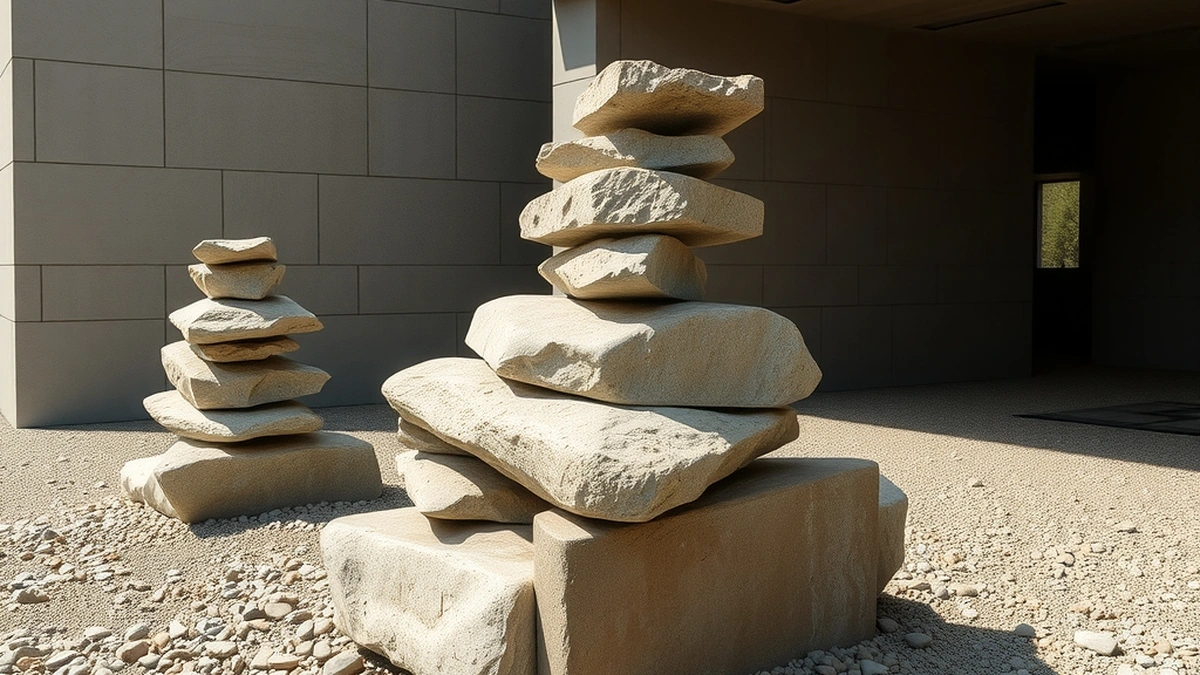
Block walls are common because they handle drainage well and cost $15 to $35 per square foot installed. Poured concrete costs $25 to $60 per square foot and works well in tight spaces where forming is possible. Timber at $10 to $25 per square foot is the cheapest up front but has the shortest lifespan in moist soil. Gabion and boulder walls at $20 to $45 per square foot suit rural or naturalistic sites but are harder to repair piece by piece.
If your existing wall is timber and you are already facing major repairs, switching to block or poured concrete may cost more initially but reduces future maintenance. The best retaining wall overview compares materials by durability and drainage performance. Also consider whether the wall retains a driveway, patio, or structure. A wall supporting a surcharge load, such as a parked car, needs engineering regardless of whether you repair or replace.
Get a Professional Opinion for Tall or Loaded Walls
Walls over four feet tall, walls near property lines, and walls supporting buildings or driveways often require permits and engineering review. A contractor can assess whether the failure is isolated or systemic. If the wall shows movement, ask for a site visit before authorizing any repair. An inspection fee is cheaper than paying for a repair that fails the next season.
Routine care extends the life of any wall. Keep drain outlets clear, do not pile soil or mulch above the wall’s design height, and address small cracks before water enters and freezes. The retaining wall maintenance guide details a seasonal checklist.
Repair is worth it when the wall is structurally sound, drainage is functional, and the repair costs less than about one-third of replacement. Otherwise, replace the wall and fix the drainage so the next one lasts.
Frequently asked questions
What does retaining wall repair usually cost?
Minor repairs often run a few hundred dollars, while extensive block resetting and drainage work can approach the cost of a new wall section.
Can I repair a leaning retaining wall myself?
No. A lean usually signals soil pressure or foundation failure, which requires excavation and structural redesign beyond DIY scope.
How do I know if drainage caused the damage?
Look for water stains, soil erosion at the base, missing gravel backfill, or absent weep holes and drain pipe.
Is patching cracks enough?
Surface crack sealing helps appearance but does not fix movement caused by poor drainage or inadequate footing.
Should I replace timber walls with block?
Often yes, because timber rots over time and block with proper drainage lasts longer, though it costs more up front.
Who should inspect a suspect wall?
A qualified contractor or structural engineer should assess any wall over 4 feet or showing signs of movement.
Sources
Some links are affiliate links.If you buy through them we may earn a commission at no extra cost to you. We do not accept payment for rankings. Read the full disclosure.