Settlement: Repair Options for Retaining Walls
Learn how to diagnose and fix retaining wall settlement with drainage, underpinning, and rebuild options.
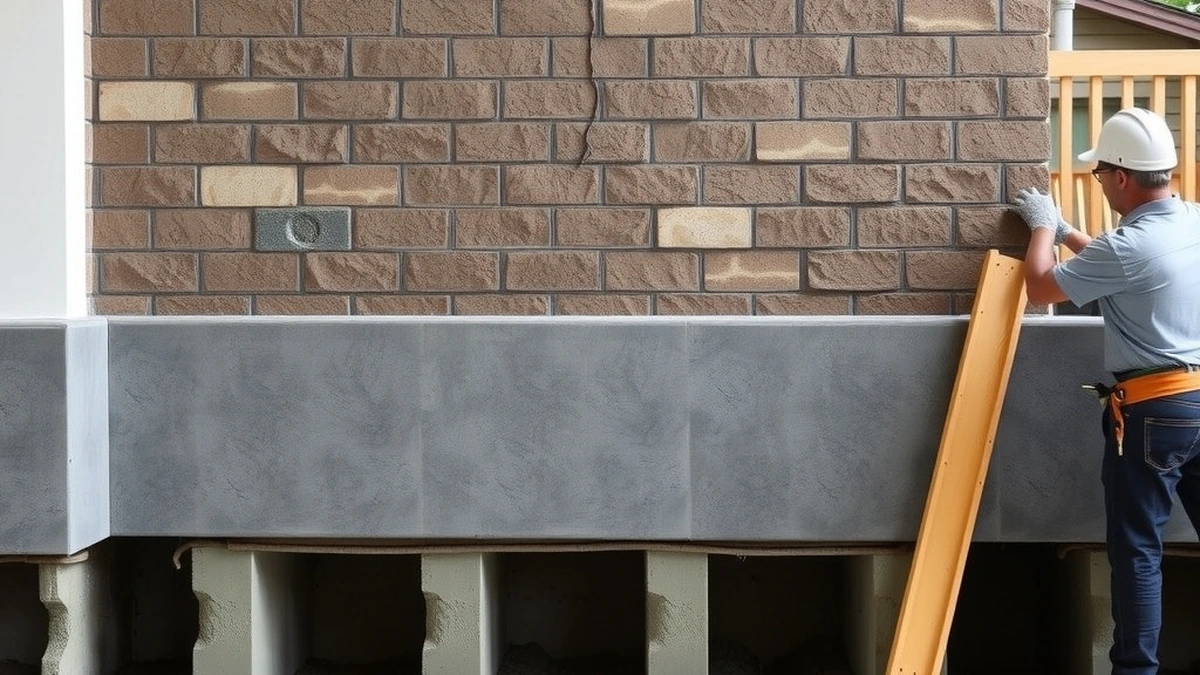
Settlement is fixed by improving drainage, compacting backfill, installing helical piers, or rebuilding the wall section.
- Problem
- Wall sinking or tilting due to soil movement
- First step
- Check drainage and backfill condition
- Common fix
- Helical piers or partial rebuild
- Cost range
- $5–$60 per sq ft depending on method
Some links on this page are affiliate links.If you buy through them we may earn a commission at no extra cost to you. We do not accept payment for rankings. Read the full disclosure.
Retaining wall settlement means the wall has dropped, tilted, or cracked because the soil underneath moved or compressed. Repair starts with finding why the soil moved, then choosing a fix that matches the cause and the wall material. Ignoring settlement usually leads to larger cracks, wall failure, and higher replacement costs.
Diagnose the Cause Before Repairing
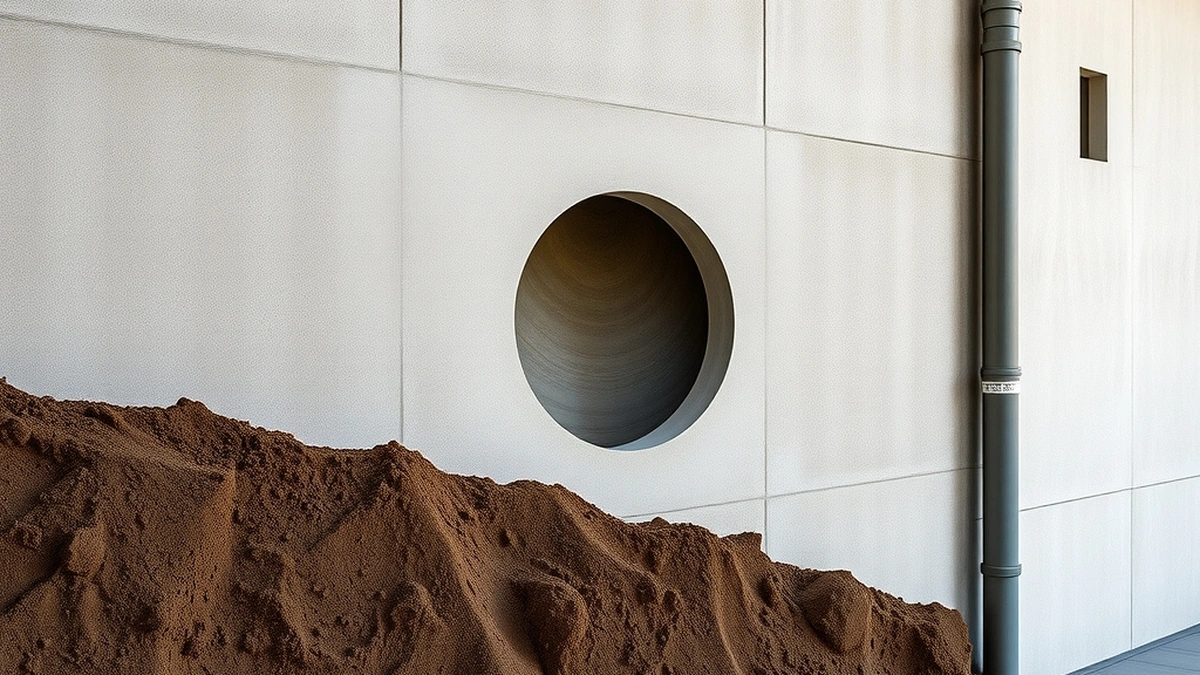
Settlement rarely happens without a reason. The most common causes are poor drainage, inadequate backfill compaction, organic soil decomposition, or a footing that sits on unstable ground. Water trapped behind a wall increases soil pressure and can wash out fine particles, leaving voids under the footing. Before spending money on repairs, check for standing water, clogged weep holes, missing drainpipe, or soil erosion at the base.
A wall that leans away from the retained soil often points to drainage failure. A wall that drops straight down usually means the bearing soil compressed under load. Cracks that run diagonally through blocks or concrete suggest differential settlement, where one section settled more than another. Note the pattern, measure any tilt with a level, and photograph cracks so you can track movement over time.
Fix Drainage and Backfill First
If water is part of the problem, no structural repair will last unless drainage is corrected. A typical repair includes exposing the back of the wall, removing saturated backfill, and installing a perforated drain pipe at the footing level surrounded by clean crushed stone. The pipe should daylight to a lower grade or connect to a storm outlet. Backfill is then placed in lifts and compacted to reduce future settlement.
Drainage and backfill work is estimated at $5–$15 per sq ft. For a 100 sq ft wall, that is roughly $500 to $1,500 in materials and labor. This is the least expensive repair and should be done before any underpinning or rebuilding. Even if the wall eventually needs piers or replacement, proper drainage protects the new work from the same failure.
Use Helical Piers for Moderate Settlement
When the footing has settled but the wall face is still intact, helical piers can lift and stabilize the structure. These are steel shafts with helical plates that are screwed into deeper, more stable soil until they reach design torque. Brackets connect the piers to the wall footing, transferring the wall load to competent ground.
Helical pier installation is an engineered repair. A contractor must estimate the wall load, soil bearing capacity, and pier spacing. For example, if a 6-foot-tall block wall imposes roughly 1,200 pounds per linear foot on the footing, and each pier is rated for 10,000 pounds, one pier every 8 feet might be suggested by the engineer. Actual spacing depends on soil reports and wall geometry, so these numbers are only illustrations.
Pier costs vary widely by depth, soil conditions, and regional labor rates. They are generally more expensive than drainage work but less than full replacement. Because this is structural work, involve a structural engineer and check local permit requirements before installation.
Partial Rebuild for Localized Damage
If settlement has cracked blocks, shifted capstones, or separated a wall section, a partial rebuild may be the best option. The damaged area is dismantled, the footing is inspected and repaired if needed, and new units are set on fresh base material with proper drainage behind them.
For concrete block walls, material and installation are estimated at $15–$35 per sq ft. Rebuilding a 50 sq ft section would therefore cost roughly $750 to $1,750, not including engineering or drainage upgrades. Matching existing block color and texture can be difficult, so a partial repair may be visible. If more than 25 to 30 percent of the wall is damaged, a full replacement often makes more sense than patching.
Full Replacement When the Wall Is Beyond Repair
Severe settlement, extensive cracking, or wall collapse usually means replacement. The old wall is removed, the subgrade is compacted, and a new wall is built with current drainage standards. Material choice affects cost and long-term performance.
Estimated installed costs per square foot are:
- Timber wall: $10–$25
- Concrete block wall: $15–$35
- Gabion wall: $20–$40
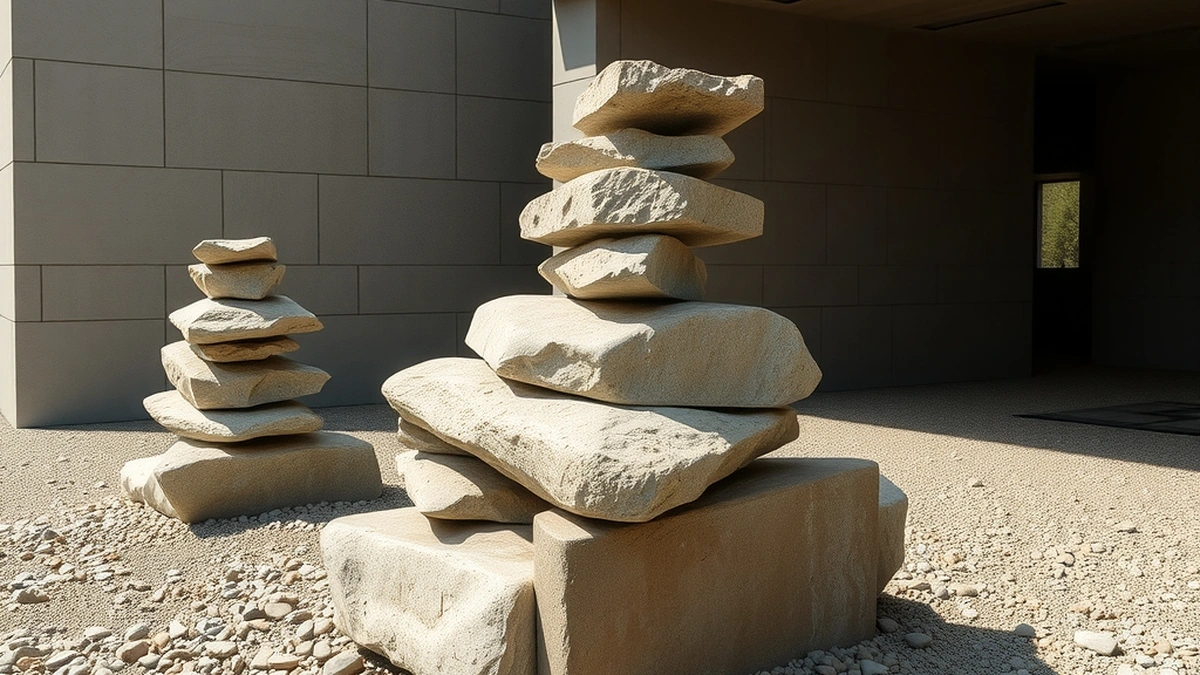
- Boulder wall: $20–$45
- Poured concrete wall: $25–$60
For a 200 sq ft replacement, a timber wall might cost $2,000 to $5,000, while poured concrete could run $5,000 to $12,000. These are estimates; actual prices depend on site access, wall height, engineering, and local labor rates. Drainage and backfill add $5–$15 per sq ft on top of the wall cost.
Choose Wall Material Based on the Site
If you are replacing a settled wall, reconsider whether the original material was right for the site. Timber is affordable and easy to install but can rot in wet soil, which may contribute to drainage problems. Concrete block handles height and pressure well but needs a solid footing and drainage. Poured concrete is monolithic and strong, but cracks can be hard to repair if settlement returns. Gabion and boulder walls tolerate some movement without cracking, though they require more horizontal space.
Review the best retaining wall guide for help matching material to soil conditions and budget. If the wall is part of a new project rather than a repair, the retaining wall installation article covers footing and drainage basics from the start.
Monitor After Repair
Any settlement repair should include a monitoring period. Mark crack ends with pencil lines and check them monthly. Watch for new leaning, water pooling behind the wall, or soil movement at the toe. If movement continues after drainage and pier installation, the original diagnosis may be incomplete and a geotechnical engineer should review the site.
Routine maintenance also protects the repair. Keep weep holes clear, ensure downspouts direct water away from the wall, and regrade soil so it slopes away from the structure. The retaining wall maintenance article details seasonal checks that help catch new settlement before it becomes structural.
When to Call a Professional
Settlement repairs that involve digging near a footing, installing piers, or rebuilding more than a few blocks should be handled by a qualified contractor. Structural walls retain significant lateral soil pressure, and an incorrect repair can make the wall less stable, not more. A structural engineer can size piers, verify footing capacity, and confirm that the repair meets local code.
For general cost context, see the retaining wall cost per square foot reference. If you are deciding whether to repair or replace entirely, the retaining wall repair article compares common failure modes and repair paths.
Frequently asked questions
What causes retaining wall settlement?
Settlement happens when soil beneath the wall compresses, washes away, or shifts, usually because of poor drainage or inadequate compaction.
Can I fix settlement myself?
Minor drainage fixes and small timber repairs may be DIY, but structural underpinning and masonry rebuilds need a professional.
How much does wall repair cost?
Drainage and backfill work runs about $5–$15 per sq ft, while full wall replacement can reach $60 per sq ft for poured concrete.
Will adding drainage stop settlement?
Drainage stops water-related settlement, but it will not reverse existing soil compression or lift a wall that has already dropped.
How do I know if settlement is serious?
Look for leaning, cracks wider than 1/4 inch, separation from adjacent structures, or soil pulling away from the wall base.
Do I need a permit for repairs?
Many jurisdictions require permits for structural repairs or wall replacement; check with your local building department before starting.
Sources
Some links are affiliate links.If you buy through them we may earn a commission at no extra cost to you. We do not accept payment for rankings. Read the full disclosure.