Boulder Problems: When Stones Fail Your Wall
Common issues with boulder retaining walls—drainage, soil pressure, block selection—and how to fix them before they collapse.
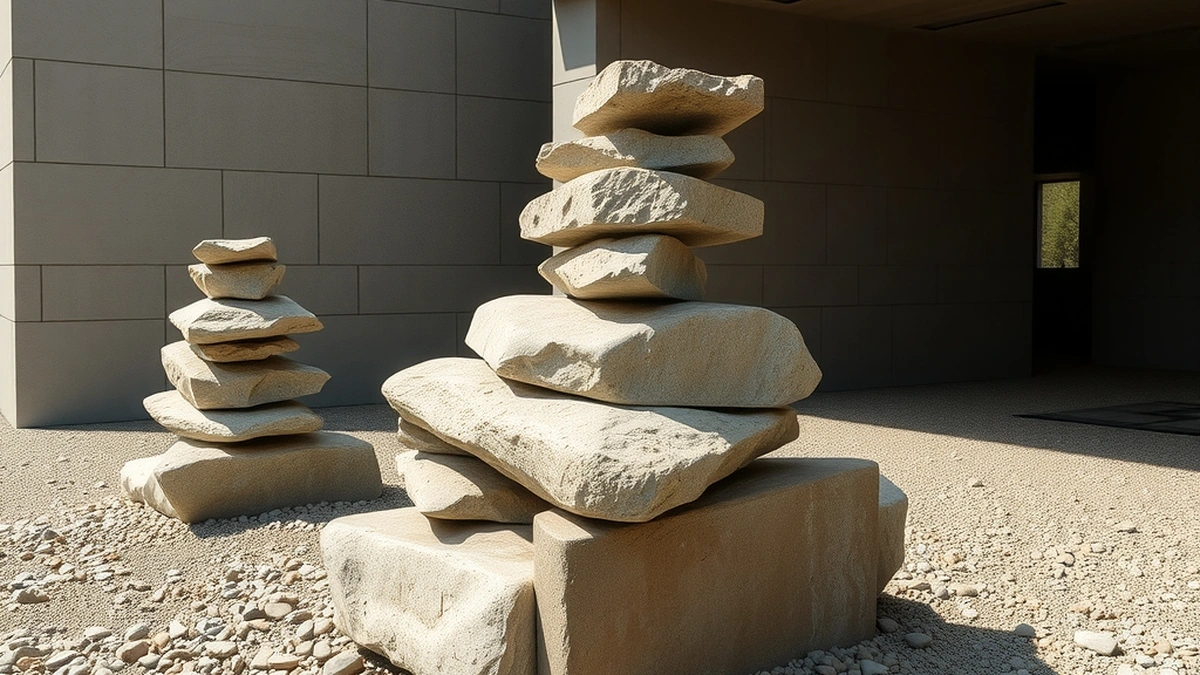
Boulder problems usually start with drainage failure and poor stone selection. A 6-foot wall with no drainage can erode behind the blocks within a year. Fix drainage first, then choose angular, interlocking boulders sized to your soil load.
- Typical range
- Varies by system and site
- First step
- Measure the space and confirm the load
- Professional help
- Recommended for structural or electrical work
Some links on this page are affiliate links.If you buy through them we may earn a commission at no extra cost to you. We do not accept payment for rankings. Read the full disclosure.
Boulder Problems: When Stones Fail Your Wall
Boulder walls look rugged and permanent, but they fail just like any other structure when the underlying engineering goes wrong. The most common boulder problems share a single root cause: drainage. If water cannot get behind or through the wall, hydrostatic pressure builds up, and the stones themselves become the weakest link. A wall that looks solid may be actively surrendering to forces you cannot see. Understanding the specific ways boulder walls break helps you catch failures early and avoid expensive rebuilds.
Why Boulder Walls Fail
Boulder walls fail for three primary reasons: inadequate drainage, poor block selection, and freeze-thaw damage. Each problem manifests differently and requires a different fix. The good news is that most failures are preventable with proper planning. The bad news is that many homeowners discover the problems only after cracks appear or blocks shift. A typical 6-foot boulder wall installed without drainage can show visible movement within the first growing season. That is not a design flaw—it is a construction omission.
The Drainage Problem
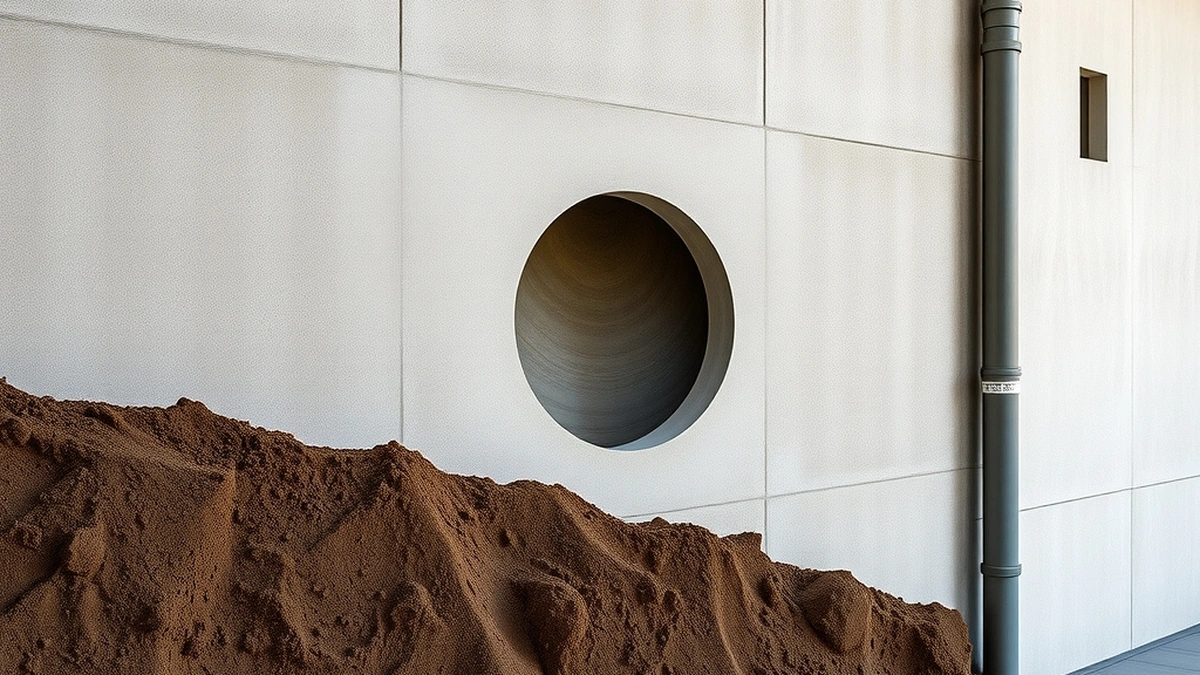
Drainage is the number one cause of boulder wall failure across all wall types. Water enters the soil behind the wall, fills voids, and creates lateral pressure against the boulder mass. Over time, this pressure pushes blocks outward and downward. Without a drain tile or gravel backfill behind the wall, water simply sits. In freezing climates, that trapped water expands and can split individual boulders apart from the inside.
A standard gravel backfill behind a boulder wall costs between $5 and $15 per square foot, depending on local material prices and labor. Even a modest $10 per square foot drainage improvement can dramatically reduce long-term failure risk. Many builders skip this step because it adds time and cost upfront. The savings from avoiding a rebuild far exceed the initial investment.
Soil Pressure and Lateral Loads
Soil behind a wall exerts lateral pressure measured in pounds per square foot. Clay soils can generate pressures exceeding 2,000 pounds per square foot near the surface. Sandy soils produce lower pressures but still significant loads over time. Your boulders must be sized to resist these forces without excessive movement.
Consider a practical example: a 4-foot tall boulder wall built into clay soil requires boulders at least 3 inches thick on the face side to resist outward pressure. Thinner blocks will shift, crack, and eventually separate from the wall. Angular boulders interlock better than rounded ones because their flat faces create mechanical resistance against lateral movement. Rounded stones simply roll or slide under pressure, leaving gaps that fill with water and accelerate erosion.
Block Selection Mistakes
Choosing the wrong boulders is a leading cause of boulder problems. Homeowners often select locally available round stones because they are easy to find. While convenient, rounded boulders do not interlock and cannot transfer lateral loads efficiently. Another common mistake is using boulders that are too small. A boulder wall should never use stones smaller than 2 inches in any dimension for structural applications.
The cost difference between good and poor block selection is real. Boulder walls cost between $20 and $45 per square foot, while timber walls cost only $10 to $25 per square foot. But a cheap wall that fails and needs rebuilding costs far more than a well-built one. Budget for quality materials—it pays for itself in longevity.
Freeze Damage and Expansion
Water expands approximately 9% when it freezes. When water trapped behind boulder blocks freezes, it pushes outward against the blocks, potentially cracking them or spalling mortar joints. This process repeats every winter and accelerates over decades. Proper drainage prevents standing water from reaching the freeze point behind the wall.
In regions where ground freezes, install drain tiles below the frost line whenever possible. This ensures water exits before winter arrives. A simple gravel trench at the base of the wall, combined with perforated pipe, handles most freeze-related damage. The installation cost stays within the $5 to $15 per square foot drainage range while protecting the entire wall structure.
Repair Costs Compared
When boulder problems appear, repair costs vary widely based on the severity. A drainage-only fix—removing settled blocks, installing drain tile, and re-grading—typically runs $5 to $15 per square foot. Full block replacement adds another $20 to $45 per square foot. Combining both approaches often totals $25 to $60 per square foot. These figures reflect national averages and actual costs vary by region, material availability, and labor rates.
| Repair Type | Cost Range (per sq ft) | Typical Scope |
|---|---|---|
| Drainage and Backfill Only | $5–$15 | Tile, gravel, grading |
| Partial Replacement | $20–$45 | Replaced face and base blocks |
| Full Rebuild | $25–$60 | All blocks plus drainage |
Prevention Checklist
Before building a boulder wall, verify these five items: confirm drainage is included in the design, select angular boulders at least 3 inches thick, ensure boulder size matches your soil type and wall height, install drain tile below the frost line in cold climates, and budget for ongoing maintenance. Each item prevents a specific category of boulder problems. Skipping any one of them introduces failure risk into the wall’s lifespan.
When to Call a Pro
Some boulder problems require professional assessment. If you notice cracks wider than a pencil, blocks visibly leaning outward, or water seeping through the back face of the wall, stop DIY work and consult a licensed retaining wall contractor. Professional evaluation ensures the problem is addressed correctly rather than masked temporarily. Retaining Wall Lab offers consultation services to identify drainage and block selection issues before they become structural failures.
Next, compare how much does retaining wall cost, retaining wall installation, retaining wall repair before you commit.
Frequently asked questions
What causes boulder problems on retaining walls?
Boulder problems typically begin when drainage is inadequate or when boulders are not selected properly for the soil conditions. Without proper drainage, water accumulates behind the wall, increasing hydrostatic pressure that can push boulders out from behind.
How do I know if my boulders are too small?
Check the wall height against standard sizing charts. For example, a 4-foot wall should use boulders at least 3 inches thick; anything smaller risks shifting under lateral soil pressure. Consult a pro for your specific soil type and load calculations.
Can boulder walls last forever?
With proper drainage and block selection, boulder walls can last 50 years or more. The key is matching boulder size to soil load and maintaining drainage channels. Estimates vary by site conditions.
Does freezing water damage boulder walls?
Yes. Water trapped behind the wall freezes, expands by about 9%, and can crack blocks or spall mortar joints. This is why drainage is critical—drainage water must exit before winter freezes.
How much does it cost to fix boulder problems?
Typical repair ranges from $5 to $15 per square foot for drainage and backfill work, plus $20 to $45 per square foot if replacement blocks are needed. Total repair often falls between $25 and $60 per square foot depending on severity.
Should I use round or angular boulders?
Angular boulders interlock better and resist lateral soil pressure better than rounded ones. Rounded stones shift under pressure, creating gaps that fill with water and accelerate erosion. Always prefer angular shapes for structural applications.
Sources
Some links are affiliate links.If you buy through them we may earn a commission at no extra cost to you. We do not accept payment for rankings. Read the full disclosure.