Boulder maintenance
How to inspect and maintain a boulder retaining wall: drainage checks, vegetation control, resetting stones and the signs that need an engineer.
Boulder wall maintenance is an annual inspection of drainage, alignment and vegetation. Clear the drain outlet, keep roots out of the wall, watch for stones that have moved, and reset a shifted stone before the course above it follows.
- Inspection
- Twice a year
- Drain outlet
- Clear before every wet season
- Vegetation
- Keep roots out of joints
- Reset cost
- Quoted per stone
Some links on this page are affiliate links.If you buy through them we may earn a commission at no extra cost to you. We do not accept payment for rankings. Read the full disclosure.
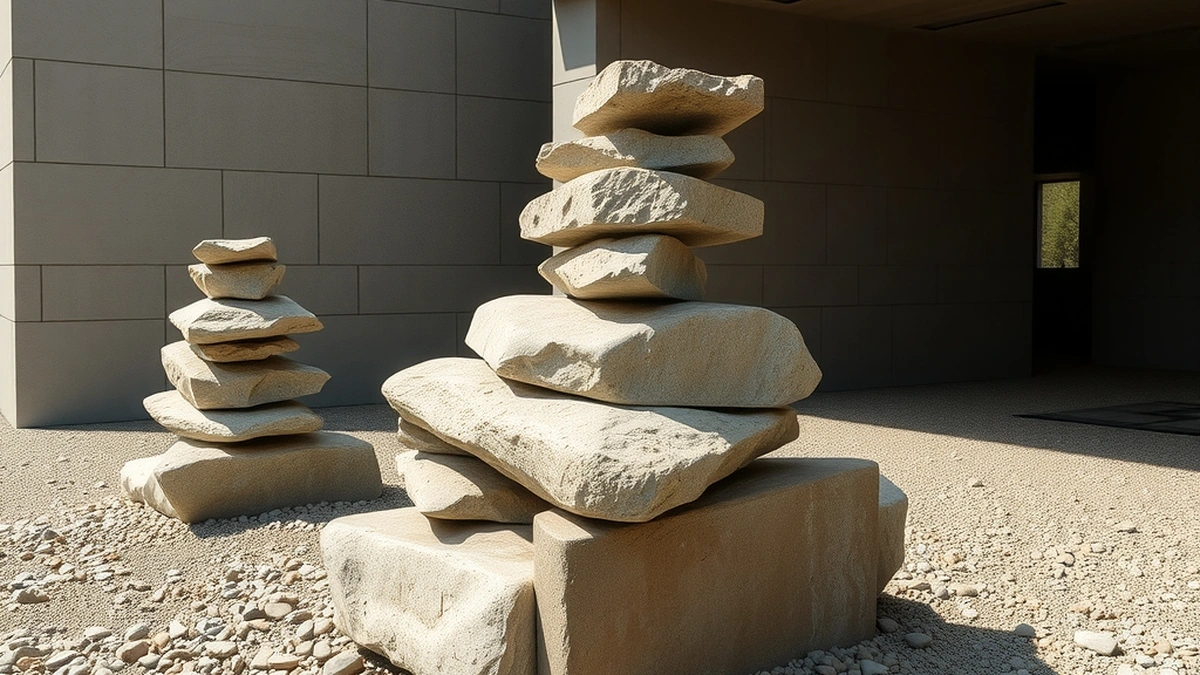
Boulder wall maintenance is an inspection routine, not a repair routine. Twice a year, check the drain outlet, the alignment, the vegetation and the face of the wall. A stone that has moved an inch is a warning; a wall that is bulging over 10 feet is an engineer’s problem. The work is mostly observation, and it prevents most failures.
What to inspect
Four things matter on a boulder wall: water, alignment, vegetation and the base.
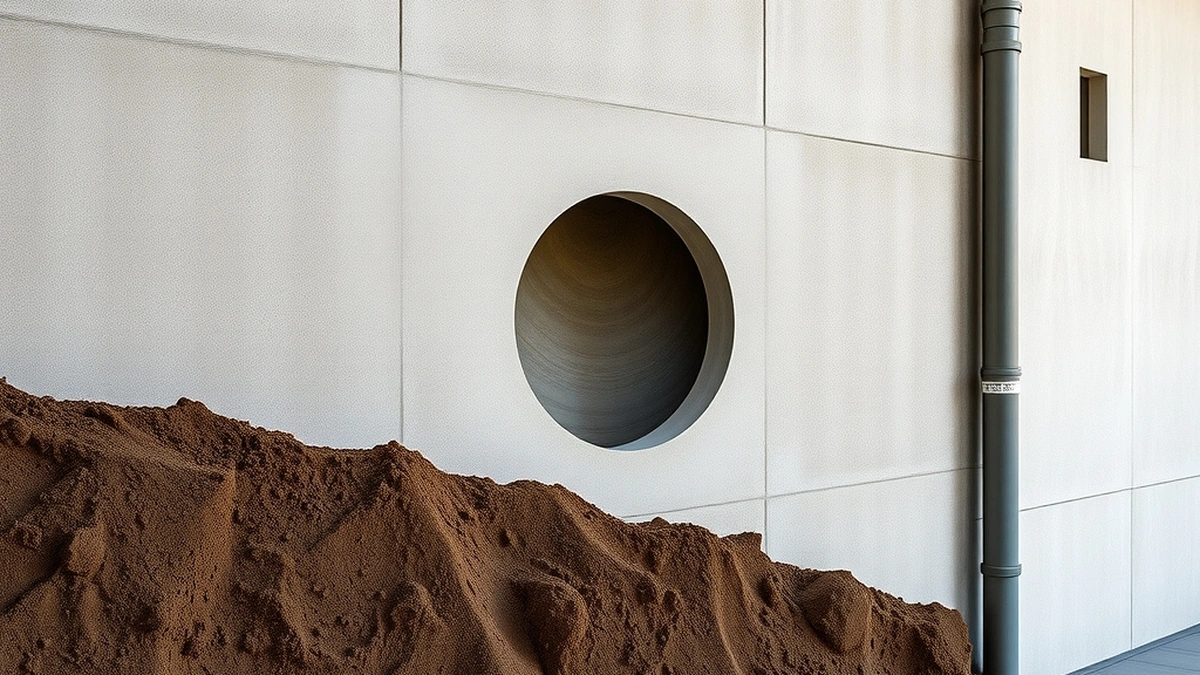
Water is the first because it is the cause of most failures. If the drain is clogged or the outlet is buried, the backfill saturates and the pressure on the wall doubles.
Alignment is the second. A wall that has moved is telling you the base or the drainage is failing.
Vegetation is the third. Roots pry stones apart and block the gravel.
The base is the fourth. Undercutting at the toe, from erosion or excavation, removes the support the whole wall depends on.
The inspection checklist
| Item | What to look for | Action |
|---|---|---|
| Drain outlet | Blocked, buried, or dry when it should flow | Clear or extend |
| Wall face | Water seeping between stones | Investigate drainage |
| Alignment | Bulge, lean, or stones out of line | Measure and record |
| Base | Erosion or excavation at the toe | Restore support |
| Vegetation | Trees or shrubs in the wall | Remove or relocate |
| Joints | Soil washing out between stones | Refill with gravel |
| Cap | Stones loose or missing | Reset |
A photograph with a date is the most useful maintenance record. Movement is slow, and a photo from last spring is the only way to know whether a lean is new.
The annual routine
- Walk the wall and photograph it from both ends.
- Check the drain outlet for flow after rain.
- Look for water seeping between stones at the face.
- Measure any bulge or lean and compare with last year’s photo.
- Pull seedlings and cut saplings at the base.
- Check the toe for erosion or excavation.
- Refill any joint where soil has washed out.
An hour in spring and an hour in autumn is the whole maintenance program for most walls.
Drainage maintenance
The perforated pipe at the base needs a clear outlet. If it discharges into a buried corrugated line, check that the line is not crushed or blocked.
Weep holes at the face should run clear after rain. If they are dry during a wet spell, the water is going somewhere else, or the drain is blocked.
Flushing the drain with a hose once a year is a simple check. If water comes back at you, the line is blocked and needs rodding.
Do not seal the face of the wall to stop seepage. Sealing traps the water behind the wall and increases the pressure.
Vegetation control
Small plants in the gaps are fine and can look good. Trees and large shrubs are not.
A tree root grows into the gravel backfill, displaces stones, and can block the drain. By the time the root is visible at the face, the damage behind it is done.
Remove seedlings while they are small. Cut larger saplings at the base and treat the stump, or the regrowth will keep coming.
Keep the area behind the wall clear of deep-rooted planting as well. The soil side is where the roots do the most damage.
Resetting a moved stone
A single stone that has shifted can sometimes be reset. The procedure is to remove the stones above it, lift it out, inspect the base and backfill, and reset it on a compacted bed.
That is a job for equipment, not hands. A boulder that weighs several hundred pounds is not something to lever by hand, and the stones above it have to be supported while the work is done.
If several stones in a course have moved, the problem is the wall, not the stone. Resetting one will not fix it.
When the wall needs an engineer
Call for an assessment when the wall is bulging over a length, when stones have moved more than 2 inches, when the wall retains a slope above a structure, or when water is flowing from the face after every storm.
A bulging wall is a pressure problem, and the fix is usually to rebuild with better drainage rather than to push the stones back. Pushing them back without relieving the water is a temporary measure at best.
Any wall above about 4 feet should have an engineered design on file. If it does not, and it is showing movement, that is the moment to get one.
Costs of maintenance versus repair
Annual inspection costs nothing but time. Clearing a drain is an hour of work.
Resetting a single stone is quoted per stone and depends on access and equipment.
Rebuilding a failed wall is priced as a new wall: boulders at $20 to $45 per square foot plus drainage and backfill at $5 to $15. On a 120 square foot face, that is 120 × $30 = $3,600 plus 120 × $10 = $1,200, or $4,800.
The inspection is the cheapest line in that comparison, which is the argument for doing it twice a year.
For the installation details that prevent the failures, see boulder installation. For the material comparison, read boulder vs segmental block, and for the drainage system, check retaining wall drainage.
Frequently asked questions
How often should a boulder wall be inspected?
Twice a year, in spring and autumn, and after any severe storm. Look for movement, bulging, water at the face and clogged drains.
Can I plant on a boulder wall?
Small, shallow-rooted plants are fine in the gaps. Trees and large shrubs should be kept away, because their roots pry stones apart and block drainage.
What does water at the wall face mean?
It means the drain is not working or the backfill is saturated. Water emerging at the face is a warning that pressure is building behind the wall.
Can a leaning boulder be pushed back?
A single stone can sometimes be reset with equipment, but the cause has to be addressed. Pushing it back without fixing the drainage or the base repeats the movement.
Does a boulder wall need to be sealed?
No. Stone is durable and sealing can trap moisture. Maintenance is about drainage, alignment and vegetation, not coatings.
When should I call an engineer?
When the wall is bulging over a length, when stones have moved more than a couple of inches, or when the wall retains a slope above a structure.
Sources
Some links are affiliate links.If you buy through them we may earn a commission at no extra cost to you. We do not accept payment for rankings. Read the full disclosure.