Weeping Face: Warning Signs for Retaining Walls
Learn the warning signs of a weeping face on retaining walls and when drainage or repair is needed.
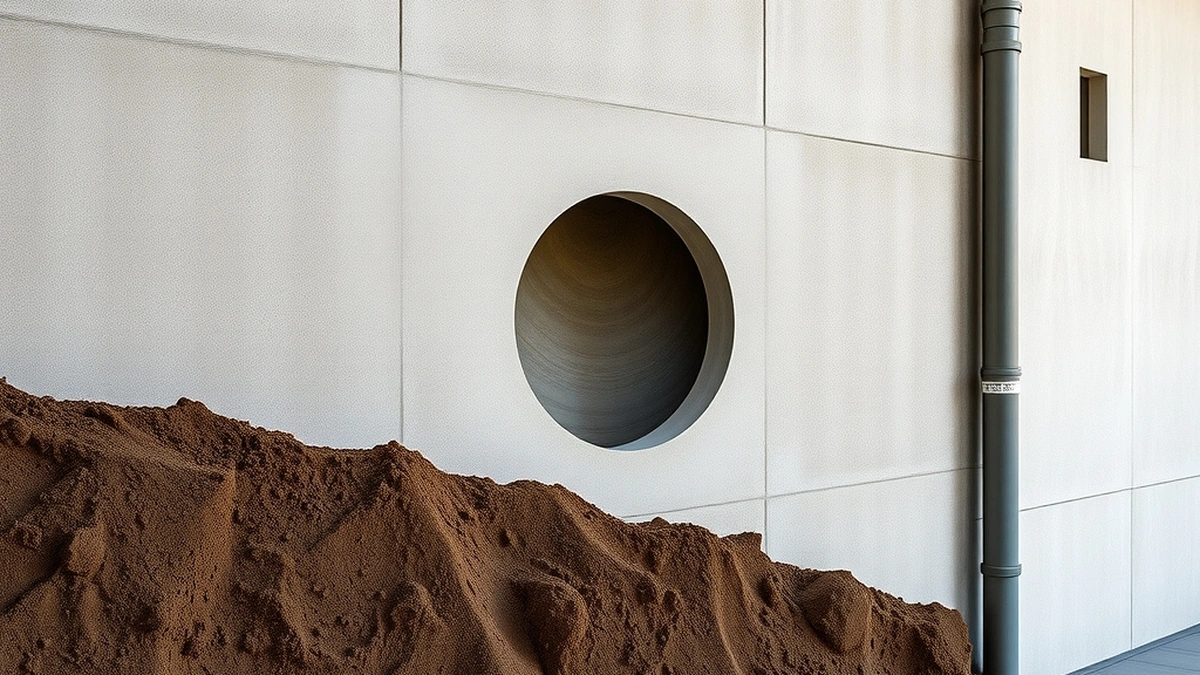
A weeping face means water is seeping through the wall face, usually from poor drainage or blocked weep holes. It signals hydrostatic pressure buildup and potential wall failure.
- Primary cause
- Poor drainage behind the wall
- Typical fix
- Improve backfill drainage and clear weep holes
- Risk if ignored
- Bulging, cracking, or collapse
- Inspection frequency
- After heavy rain and seasonally
Some links on this page are affiliate links.If you buy through them we may earn a commission at no extra cost to you. We do not accept payment for rankings. Read the full disclosure.
A weeping face is water seeping through the face of a retaining wall, usually showing as dark streaks, damp patches, or efflorescence after rainfall. It is not a cosmetic issue. It means water is trapped behind the wall and pushing against the structure, which raises the risk of bulging, cracking, or collapse.
Retaining wall design starts with drainage and soil pressure. Block choice comes second. When water cannot escape through weep holes, drainage aggregate, or a perforated pipe, hydrostatic pressure builds behind the wall. That pressure adds load to every square foot of the wall face and can overwhelm even a well-built structure.
What a Weeping Face Looks Like
A weeping face is easiest to spot shortly after a rainstorm. Look for these conditions on the wall surface:
- Dark vertical streaks running down block or concrete
- Damp areas that stay wet long after surrounding soil has dried
- White, chalky mineral deposits known as efflorescence
- Mud or sediment deposits at the base of the wall
- Soft or eroded soil at the wall toe
Efflorescence forms when water moves through masonry and leaves dissolved salts behind as it evaporates. Its presence means moisture is moving through the wall, not just sitting on the surface. If you see active dripping or flowing water, the drainage problem is advanced.
Why Water Builds Pressure Behind a Wall
Soil holds water. When rain falls or irrigation runs, the backfill behind a retaining wall becomes saturated. Without a path to exit, that water creates lateral pressure against the wall. Engineers estimate lateral soil pressure increases significantly when soil goes from moist to saturated, and standing water adds its own weight of about 62.4 pounds per cubic foot.
Consider a simple estimate for a wall 6 feet high and 20 feet long. The wall face is 120 square feet. If drainage and backfill work costs $5 to $15 per square foot, the drainage scope for that wall runs roughly $600 to $1,800. That is far less than rebuilding a failed wall. Segmental block walls often cost $15 to $35 per square foot installed, so replacing a 120-square-foot wall could run $1,800 to $4,200 before drainage repairs.
Poor drainage usually traces to one of these causes:
- Missing or clogged weep holes
- No perforated drain pipe at the wall base
- Backfilled with native soil instead of free-draining aggregate
- No drainage outlet or daylight for the pipe
- Surface water directed toward the wall instead of away from it
Warning Signs Beyond the Weeping Face
Water seepage rarely appears alone. A weeping face is often the first visible clue, but other signs suggest the wall is already under stress:
- Leaning or tilting of the wall face
- Horizontal cracks in concrete or mortar joints
- Stair-step cracks in segmental block walls
- Bulging in the middle of a wall panel
- Separation between the wall and adjoining structures
- Soil slumping or sinkholes behind the wall
If you see a weeping face plus any of these structural signs, treat it as urgent. Pressure is likely exceeding the wall’s design capacity, and continued loading can lead to sudden failure. Walls taller than 4 feet often require engineering review and permits, depending on local codes.
Cost Context by Wall Material
Repair or replacement costs depend heavily on the wall material. These are installed cost estimates per square foot, not including drainage work unless noted:
| Wall type | Installed cost per sq ft |
|---|---|
| Segmental block | $15 to $35 |
| Poured concrete | $25 to $60 |
| Timber | $10 to $25 |
| Gabion | $20 to $40 |
| Boulder | $20 to $45 |
| Drainage and backfill | $5 to $15 |
For a 100-square-foot wall, drainage and backfill might add $500 to $1,500 to the project. If the wall must be excavated to install drainage behind existing block, labor and equipment can push the total higher. Addressing drainage early is usually cheaper than replacing the wall later.
How to Inspect a Weeping Face
Walk the wall after a heavy rain and again during dry weather. Check the following:
- Look at the wall face for streaks, dampness, or white deposits.
- Locate weep holes near the base and confirm they are not blocked by mortar, soil, or debris.
- Check the area behind the wall if accessible. Soil should slope away from the wall, not toward it.
- Find the drain pipe outlet. Water should flow freely, not trickle or pool.
- Probe the wall base for soft soil or erosion, which indicates water is exiting at the wrong place.
Do not enter deep excavations or stand beneath a leaning wall. If the wall shows signs of movement, keep people and equipment away and contact a professional. Observation from a safe distance is enough to document the problem.
When to Repair or Replace
A weeping face with no structural movement may only need drainage corrections. Clearing weep holes, regrading surface water, or installing a drain pipe can relieve pressure. If the wall is leaning, cracked, or bulging, drainage alone may not be enough. The wall may need partial or full replacement.
Repair costs vary by material and access. A timber wall section might cost less to replace than a poured concrete panel, but all repairs should address the water source first. Fixing the wall without fixing the drainage usually means the problem returns.
For guidance on repair options, see the retaining wall repair overview. For broader cost planning, review the retaining wall cost per square foot breakdown. If you are planning a new wall, the installation guide covers drainage and backfill sequencing before block selection.
Prevention Starts With Drainage
Good retaining wall performance depends on keeping water away from the back of the wall and giving it an exit path. Free-draining backfill, a perforated pipe at the base, and a clear outlet are standard details. Surface grading should direct rainwater away from the wall top and base.
Weep holes should remain open and visible. If they clog, water has nowhere to go and pressure builds. Regular seasonal checks, especially after spring rains and winter thaws, catch blockages before they damage the wall.
A weeping face is a warning, not a death sentence. It tells you that water is winning the battle behind the wall. Address the drainage, monitor the face, and act before seepage becomes structural movement.
Next, compare how much does retaining wall cost, retaining wall installation, retaining wall repair before you commit.
Frequently asked questions
What is a weeping face?
A weeping face is visible water seeping through the wall surface, often appearing as dark streaks or damp patches after rain.
Is a weeping face always dangerous?
Not immediately, but it indicates water is not draining properly and pressure is building behind the wall, which can lead to failure.
Can I fix a weeping face myself?
Minor surface staining may be cleaned, but drainage corrections behind the wall usually require excavation and professional assessment.
How much does retaining wall repair cost?
Repair costs vary widely by material and wall size; expect drainage and backfill work to add roughly $5 to $15 per square foot.
How often should I check for weeping?
Inspect the wall face after every heavy rain and at least once per season, especially in spring and fall.
Does wall material affect weeping risk?
Yes. Dense concrete may resist seepage but traps pressure, while segmental block relies on joints and drainage design to manage water.
Sources
Some links are affiliate links.If you buy through them we may earn a commission at no extra cost to you. We do not accept payment for rankings. Read the full disclosure.