Weeping Face: Repair Options for Retaining Walls
Learn why retaining walls weep and how to fix seepage through the face with drainage, backfill, and repair methods.
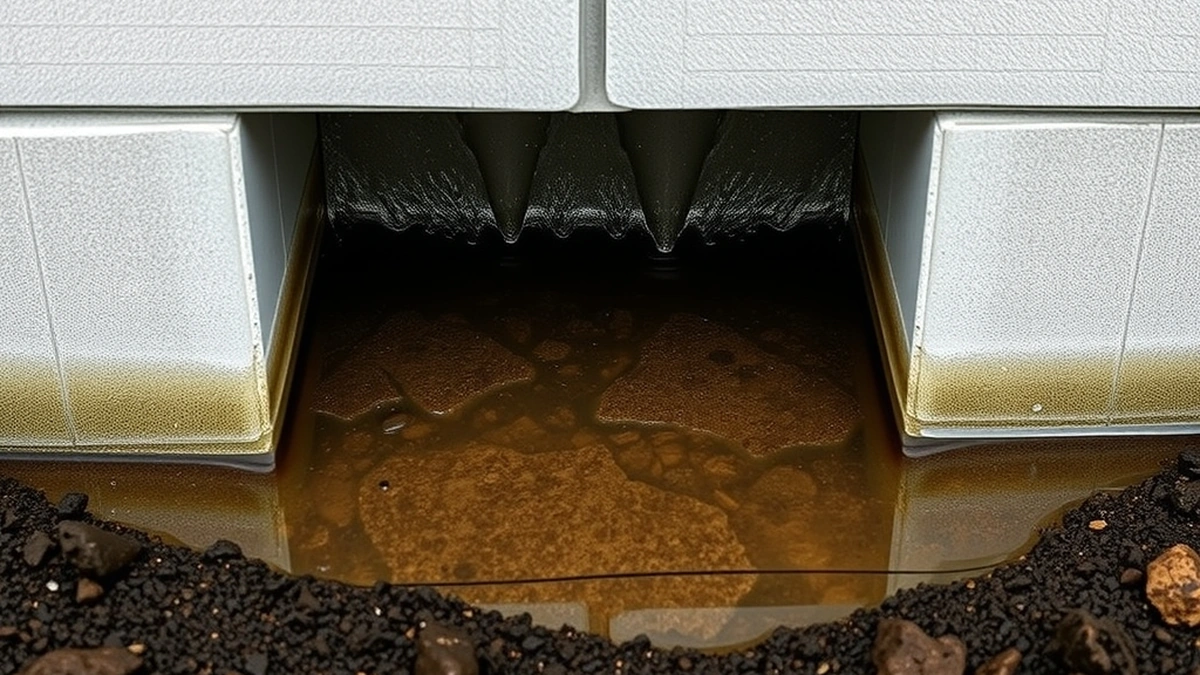
Fix a weeping face by improving drainage behind the wall, clearing or adding weep holes, and replacing damaged backfill before patching the wall surface.
- Problem
- Water seeping through wall face
- Primary cause
- Poor drainage or clogged weep holes
- Typical fix
- Drainage and backfill repair
- Cost range
- $5–$15 per sq ft for drainage work
Some links on this page are affiliate links.If you buy through them we may earn a commission at no extra cost to you. We do not accept payment for rankings. Read the full disclosure.
A weeping face means water is moving through the front of your retaining wall instead of draining behind it. The cause is almost always trapped groundwater or surface runoff pressing against the back of the wall. Repair starts with drainage and backfill, not with patching the visible surface.
What a Weeping Face Looks Like
A weeping face shows up as dark streaks, efflorescence, or active dripping on the wall surface. You might see water exiting block joints, form ties in concrete, or gaps between timbers. The wall itself may still be plumb, which is the key distinction: seepage is a drainage symptom, while leaning or bulging is a structural problem.
Water weighs about 62.4 pounds per cubic foot. If soil behind a 10-foot-tall wall becomes saturated, the added fluid pressure can push hundreds of pounds per square foot against the structure. That pressure forces moisture through any opening in the face. Fixing the face means lowering that pressure by giving water a path out behind the wall.
Common Causes of Wall Seepage
Most weeping faces trace back to one of these conditions:
- Missing or crushed drainage aggregate behind the wall
- A blocked or absent drain pipe at the base of the backfill
- Fine native soil migrating into the gravel and clogging it
- No weep holes, or weep holes filled with mortar and debris
- Surface water directed toward the top of the wall instead of away from it
A wall can look sound from the front while holding a bowl of water behind it. That trapped water is what creates the weeping face.
Repair Option 1: Restore Drainage Behind the Wall
The most effective repair is to expose the back of the wall and reinstall drainage. This usually means excavating behind the wall to the footing, laying a perforated drain pipe surrounded by clean crushed stone, and wrapping the assembly in filter fabric to keep soil out.
Drainage and backfill work is estimated at $5–$15 per square foot. For a 200-square-foot wall, that works out to roughly $1,000–$3,000, depending on access, depth, and local labor rates. This is not a surface patch; it addresses the hydrostatic pressure causing the weep.
If excavation is not possible, you can sometimes improve drainage by installing relief weep holes through the face and backfilling the immediate area with free-draining aggregate. This is a partial measure and works best on low walls with modest seepage.
Repair Option 2: Add or Clear Weep Holes
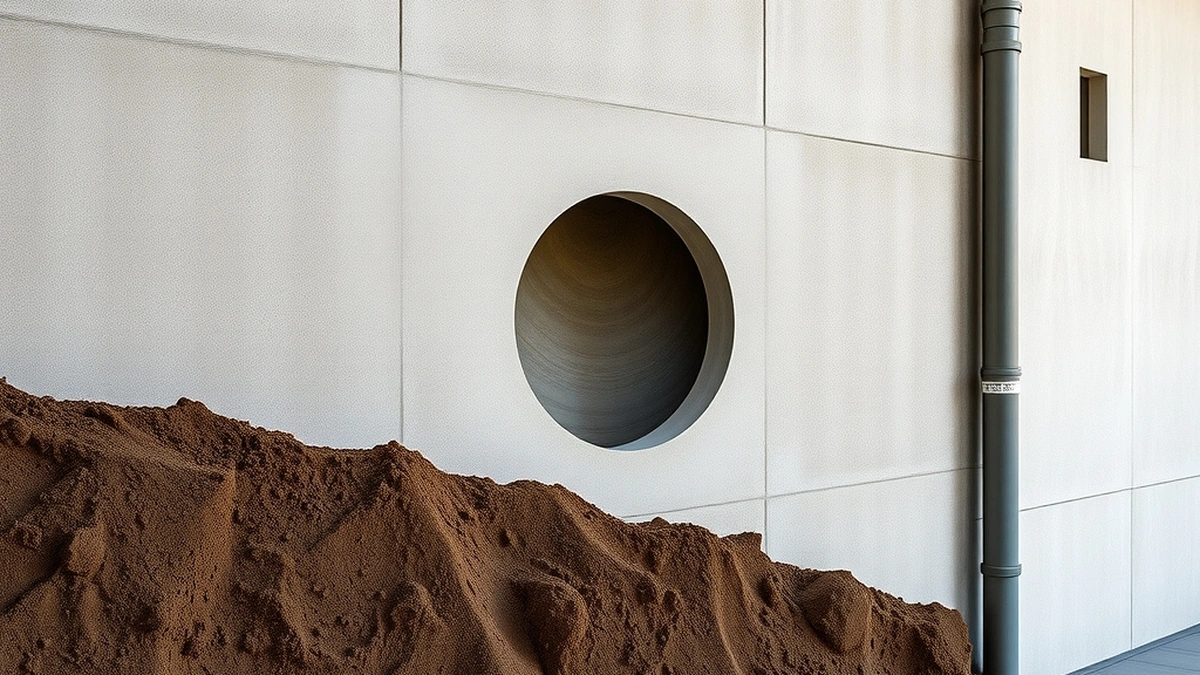
Weep holes are small openings at the base of the wall face that let water escape. On block walls, they are often formed by leaving head joints open or by inserting plastic weep tubes. On concrete walls, they may be cast-in tubes or drilled holes.
Before adding new holes, check existing ones. A clogged weep hole does nothing. Clear debris with a stiff wire or compressed air, then verify water flows freely. If you add holes, space them every 4 to 6 feet along the lowest course and keep them above finished grade so they do not become entry points for surface water.
Weep holes only work if there is draining material behind them. Drilling holes into a wall backed by clay soil will not stop a weeping face because the water cannot reach the holes.
Repair Option 3: Replace or Repair Damaged Wall Sections
Once drainage is fixed, you can repair the face itself. On segmental block walls, remove stained or spalled units and replace them with matching blocks. On poured concrete, chip out loose material, clean the area, and patch with a repair mortar rated for below-grade masonry. Timber walls may require replacing rotted boards or posts.
Surface repair costs vary by material. Block wall repair or replacement is estimated at $15–$35 per square foot. Poured concrete is estimated at $25–$60 per square foot. Timber is estimated at $10–$25 per square foot. These figures assume the wall remains structurally sound and only the face needs attention.
Never seal a weeping face with waterproof paint or a surface membrane before fixing the drainage behind it. Trapping water inside the wall can accelerate freeze-thaw damage, corrode ties, and push the wall outward.
Repair Option 4: Manage Surface Water
Surface water often contributes to a weeping face. Grade the soil above the wall so it slopes away at a minimum of 2 percent, or about 1/4 inch per foot. Install gutters and downspouts that discharge at least 5 feet from the wall. Avoid planting irrigation heads near the top of the wall.
For a 10-foot-long wall top, a 2 percent slope drops about 2.4 inches from back to front. That small drop keeps runoff from ponding behind the wall and adding to the subsurface load.
When Replacement Makes Sense
If the wall is leaning more than 1 inch per 10 feet of height, shows horizontal cracks through blocks or concrete, or has failed footings, drainage repair alone will not fix it. In those cases, the wall may need partial or full replacement.
Material estimates for new walls include:
| Wall type | Estimated installed cost |
|---|---|
| Timber | $10–$25 per sq ft |
| Gabion | $20–$40 per sq ft |
| Block | $15–$35 per sq ft |
| Boulder | $20–$45 per sq ft |
| Poured concrete | $25–$60 per sq ft |
These are installed cost estimates and do not include drainage and backfill, which is additional.
Prevention After Repair
After the weeping face is fixed, inspect the wall after heavy rain. Look for new stains, blocked outlets, or soil movement at the top. Clear weep holes annually and keep the drainage outlet free of leaves and sediment. Routine maintenance is cheaper than rebuilding.
For more on project scope, see our guide to retaining wall installation. If you are comparing repair versus replacement, review retaining wall repair. For ongoing care, see retaining wall maintenance.
Frequently asked questions
What is a weeping face?
A weeping face is when water visibly seeps or drips through the front of a retaining wall instead of draining behind it.
What causes a retaining wall to weep?
Water builds up behind the wall because drainage is missing, blocked, or overwhelmed, forcing moisture through block joints or concrete.
Can I patch the face alone?
No. Patching the surface without fixing drainage behind the wall traps water and usually makes the seepage return.
How much does drainage repair cost?
Drainage and backfill work typically runs $5–$15 per square foot, depending on site access and wall height.
Do weep holes always fix weeping?
Not always. Weep holes help only if there is free-draining backfill and a clear outlet path; otherwise they clog quickly.
Should I rebuild the wall?
Only if the wall is leaning, cracked, or structurally failed. Most weeping faces are drainage problems, not structural failures.
Sources
Some links are affiliate links.If you buy through them we may earn a commission at no extra cost to you. We do not accept payment for rankings. Read the full disclosure.