Settlement: Warning Signs Your Retaining Wall Is Moving
Learn the early warning signs of retaining wall settlement and when to act before structural failure.
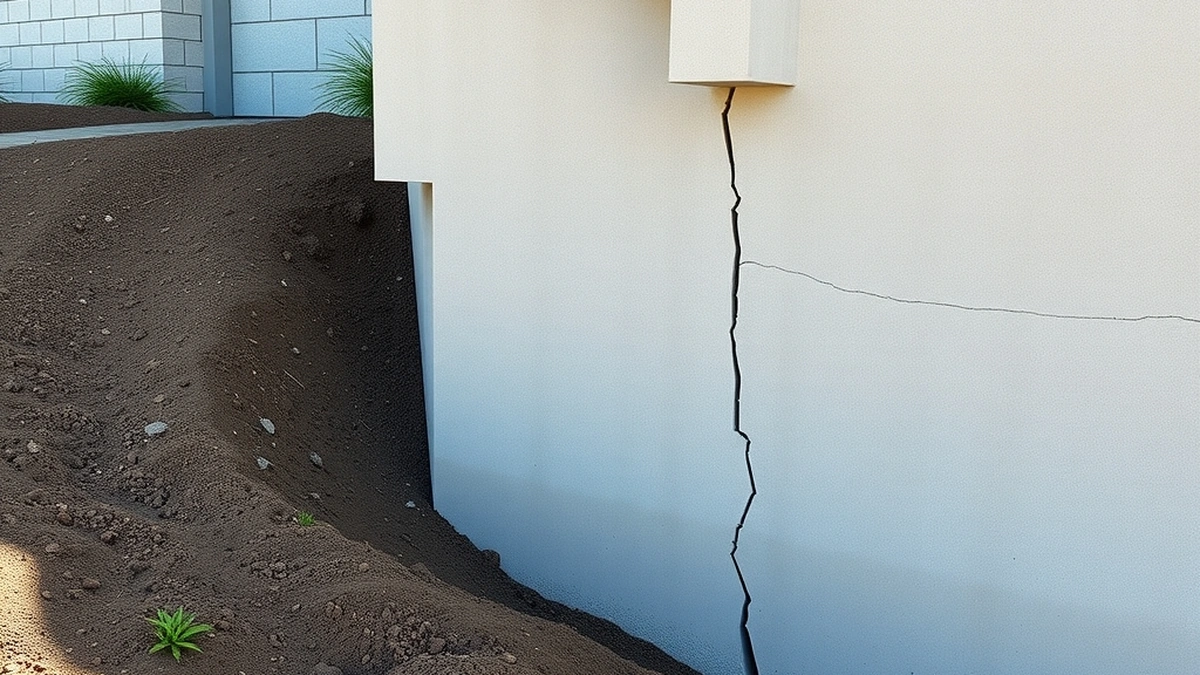
Settlement shows as cracks, leaning, or gaps at the top of a retaining wall. Measure movement and check drainage immediately.
- Common sign
- Cracks near the top of the wall
- Main cause
- Poor drainage or poorly compacted fill
- Urgency
- High if movement is active
- Typical repair
- Rebuild or stabilize affected section
Some links on this page are affiliate links.If you buy through them we may earn a commission at no extra cost to you. We do not accept payment for rankings. Read the full disclosure.
Settlement is the downward or uneven movement of a retaining wall as the soil beneath or behind it compresses, shifts, or washes away. It is not always dramatic at first, but early warning signs can tell you whether a wall is stable or approaching failure. This article explains what to look for, why it happens, and what the movement means for repair decisions.
What Settlement Looks Like
Settlement rarely appears as a sudden collapse. It usually starts with small visual cues that get worse over time. Check for these signs:
- Cracks near the top of the wall, especially vertical or stair-step cracks in masonry
- The wall leaning away from the soil it is holding back
- Gaps opening between the wall and adjacent structures, such as stairs or a patio
- New pooling or staining at the base, suggesting water is not draining away
- Cracks in hardscaping directly above or behind the wall
If you see any of these, mark the crack with a pencil and date it. Check again after the next heavy rain. Active movement means the crack will widen or the lean will increase.
Why Settlement Happens
Retaining walls fail when the soil underneath cannot support the load, or when water changes the behavior of that soil. Common causes include:
- Poorly compacted backfill that settles under the wall’s weight
- Lack of drainage, allowing hydrostatic pressure to build behind the wall
- Erosion at the toe of the wall, removing support from the front
- Expansive clay soils that shrink and swell with moisture changes
- Tree roots growing under the footing and then decaying
Drainage is usually the first issue to check. Water that sits behind a wall adds weight and pressure. It can also soften the bearing soil, which leads to uneven settlement.
Soil Pressure and Drainage First
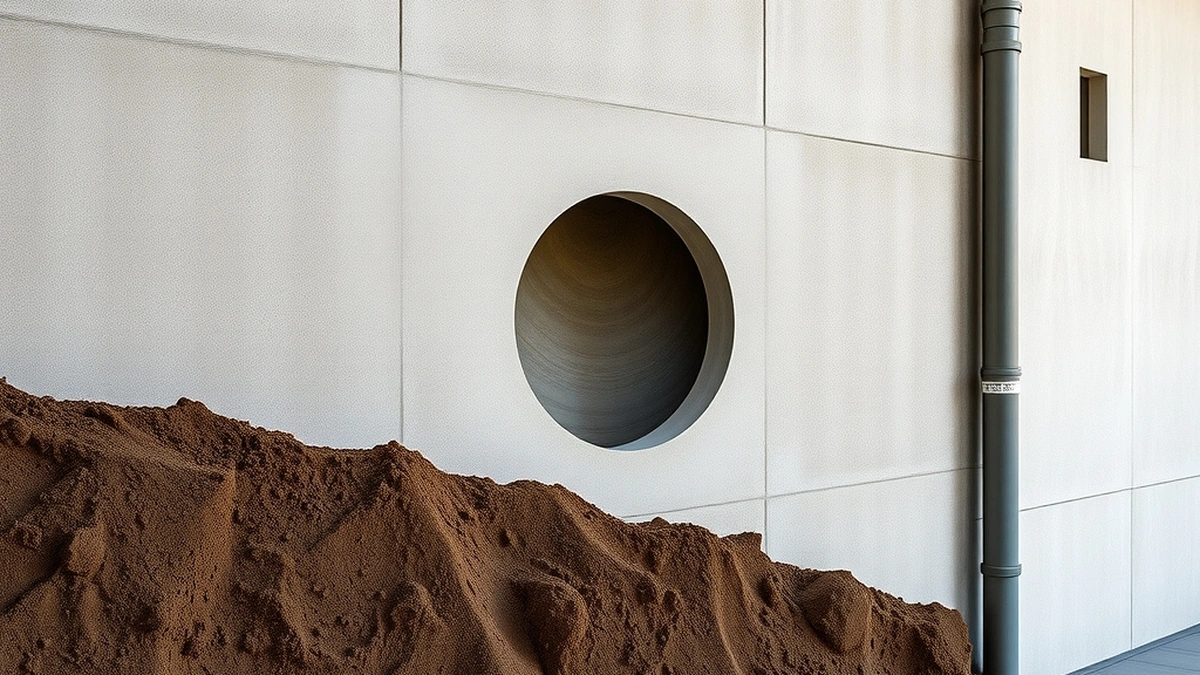
Before choosing block or stone, a wall must manage water and soil pressure. A standard drainage detail includes a perforated drain pipe at the base of the backfill, wrapped in filter stone, with outlet daylighting away from the wall. Backfill should be free-draining gravel or crushed stone, not native clay.
Drainage and backfill work typically costs $5 to $15 per square foot. For a 400-square-foot wall, that range is:
- Low: 400 × $5 = $2,000
- High: 400 × $15 = $6,000
This is separate from the wall face itself. Skimping on drainage to save money often leads to settlement that costs far more to fix later.
Wall Type and Typical Costs
Different wall materials behave differently under settlement. Rigid walls tend to crack when the foundation moves. Flexible walls may lean without cracking, but still lose stability.
| Wall type | Typical installed cost per sq ft | Behavior under settlement |
|---|---|---|
| Block wall | $15–$35 | Cracks at joints or through units |
| Poured concrete | $25–$60 | Structural cracks, possible separation |
| Timber wall | $10–$25 | Rot at posts, leaning or pulling away |
| Gabion | $20–$40 | Bulging, wire mesh distortion |
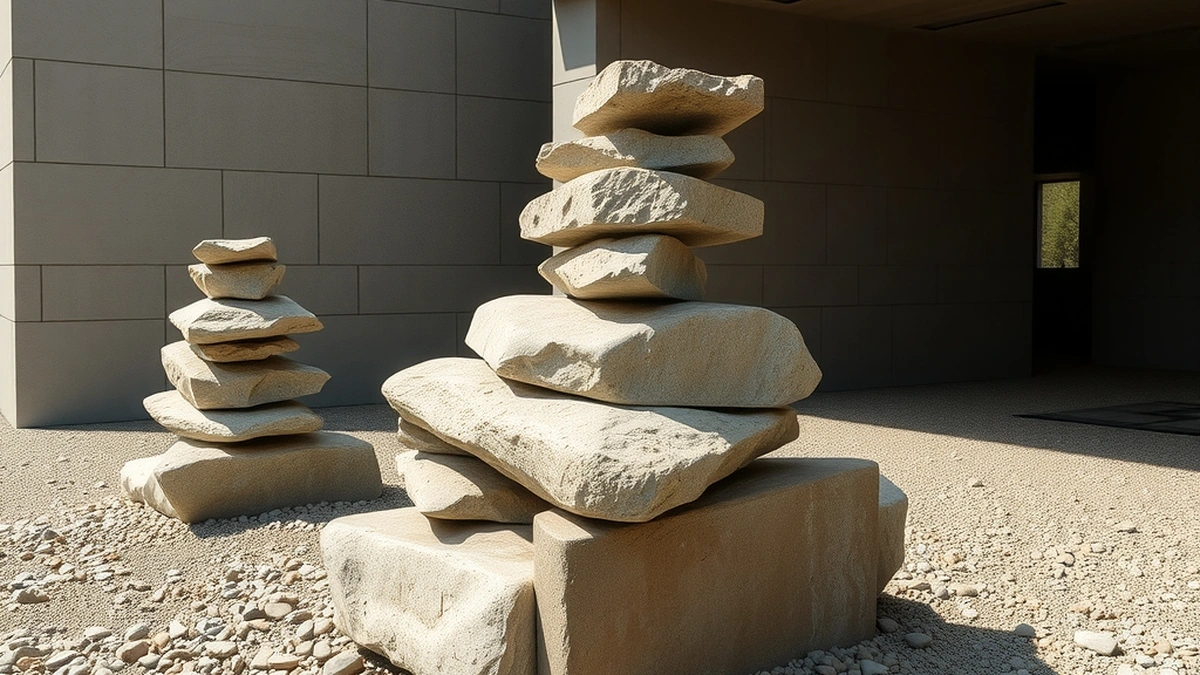
| Boulder wall | $20–$45 | Rock shifting, loss of interlock |
For a 300-square-foot block wall, the wall face alone might cost:
- Low: 300 × $15 = $4,500
- High: 300 × $35 = $10,500
Add drainage and backfill at $5 to $15 per square foot:
- Low: 300 × $5 = $1,500
- High: 300 × $15 = $4,500
Total installed range before settlement repairs: $6,000 to $15,000. These are estimates; actual pricing depends on site access, height, and local labor.
How to Measure Movement
You do not need engineering equipment to spot active settlement. Use these steps:
- Place a straight edge or level against the wall face. Note any gap at the top or bottom.
- Mark the ends of visible cracks with a pencil and record the date and width.
- Check after rainstorms. If cracks widen or the wall leans more, movement is active.
- Look at the ground behind the wall. New depressions or ponding water suggest backfill is settling.
- Inspect the toe. Soil loss at the front base removes support and accelerates leaning.
If movement continues for more than one season, contact a professional. Do not wait until the wall is visibly close to collapse.
Repair Options and Cost Context
Repair depends on the cause and extent. Minor surface cracks in a block wall may only need repointing or sealant, but structural settlement usually requires excavation, drainage repair, and partial or full rebuilding.
If a section of a 250-square-foot poured concrete wall must be removed and replaced, wall material cost alone could be:
- Low: 250 × $25 = $6,250
- High: 250 × $60 = $15,000
Plus drainage and backfill:
- Low: 250 × $5 = $1,250
- High: 250 × $15 = $3,750
Total estimate: $7,500 to $18,750, excluding labor, permits, and engineering. These figures are estimates used for comparison only.
For guidance on repair approaches, see our overview of retaining wall repair. For ongoing care after a wall is stabilized, review retaining wall maintenance. If you are planning a new wall and want to avoid settlement from the start, read retaining wall installation.
When to Call a Professional
Not every crack means failure, but some signs require immediate attention:
- Cracks wider than 1/4 inch and growing
- The wall leaning more than 1 inch per 4 feet of height
- Separation between the wall and an attached structure
- Sudden appearance of sinkholes behind the wall
- Water actively flowing through or under the wall face
A structural professional can determine whether the issue is surface settlement or a deeper bearing failure. They may recommend soil borings, drainage redesign, or wall reconstruction.
Settlement warning signs are easiest to address when they are small. A crack caught early may mean a localized repair. The same crack ignored for two years can mean rebuilding the entire wall. Check your walls after heavy rain, keep drainage outlets clear, and treat new movement as a signal to investigate, not to wait.
Frequently asked questions
What is wall settlement?
Settlement is the downward movement of a retaining wall or its foundation as soil compresses or shifts under load over time.
What are early warning signs?
New cracks near the top, visible leaning, gaps between the wall and adjacent structures, and water pooling behind the wall.
Is some settlement normal?
Minor initial settling can occur, but ongoing or uneven movement after the first year is not normal and needs investigation.
Can drainage cause settlement?
Yes. Trapped water increases soil pressure and can wash out or soften backfill, leading to uneven support and wall movement.
Should I repair it myself?
Small cosmetic cracks may be manageable, but structural settlement usually requires professional assessment and repair.
How much does repair cost?
Costs vary widely by wall type and damage extent; expect repair pricing to follow general wall cost ranges per square foot.
Sources
Some links are affiliate links.If you buy through them we may earn a commission at no extra cost to you. We do not accept payment for rankings. Read the full disclosure.