Common Segmental Block Problems and How to Fix Them
Learn the most frequent segmental block retaining wall failures and how to prevent them with proper drainage, soil pressure management, and block selection.
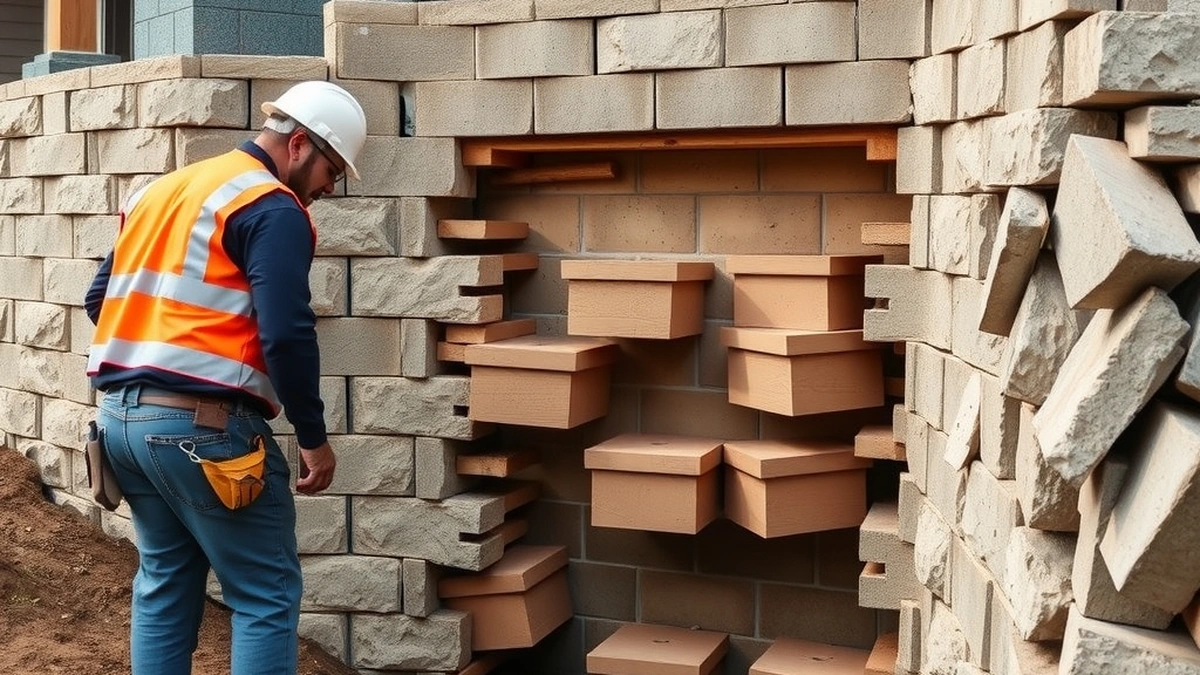
Segmental block walls fail most often from poor drainage, inadequate base preparation, or wrong block size. The fix is simple: install drainage gravel behind the wall, compact the base properly, and choose blocks sized for your soil type and height.
- Typical range
- Varies by system and site
- First step
- Measure the space and confirm the load
- Professional help
- Recommended for structural or electrical work
Some links on this page are affiliate links.If you buy through them we may earn a commission at no extra cost to you. We do not accept payment for rankings. Read the full disclosure.
Common Segmental Block Problems and How to Fix Them
Segmental block walls are popular for their strength-to-weight ratio and modular design, but they are not immune to failure. When a segmental block wall develops problems, the consequences can range from cosmetic cracking to catastrophic collapse. Understanding the most common failure modes helps you identify issues early and take corrective action before the wall fails completely.
Why Segmental Block Walls Fail
Segmental block walls fail primarily because of two factors: drainage problems and soil pressure mismanagement. Without adequate drainage, hydrostatic pressure builds behind the wall and forces it outward. If the engineer or installer selects blocks that are too small for the wall height or the soil type, the wall cannot resist lateral earth pressure. Both conditions must be addressed simultaneously, which is why drainage and soil pressure come first, block choice second.
Drainage Failure: The Most Common Cause
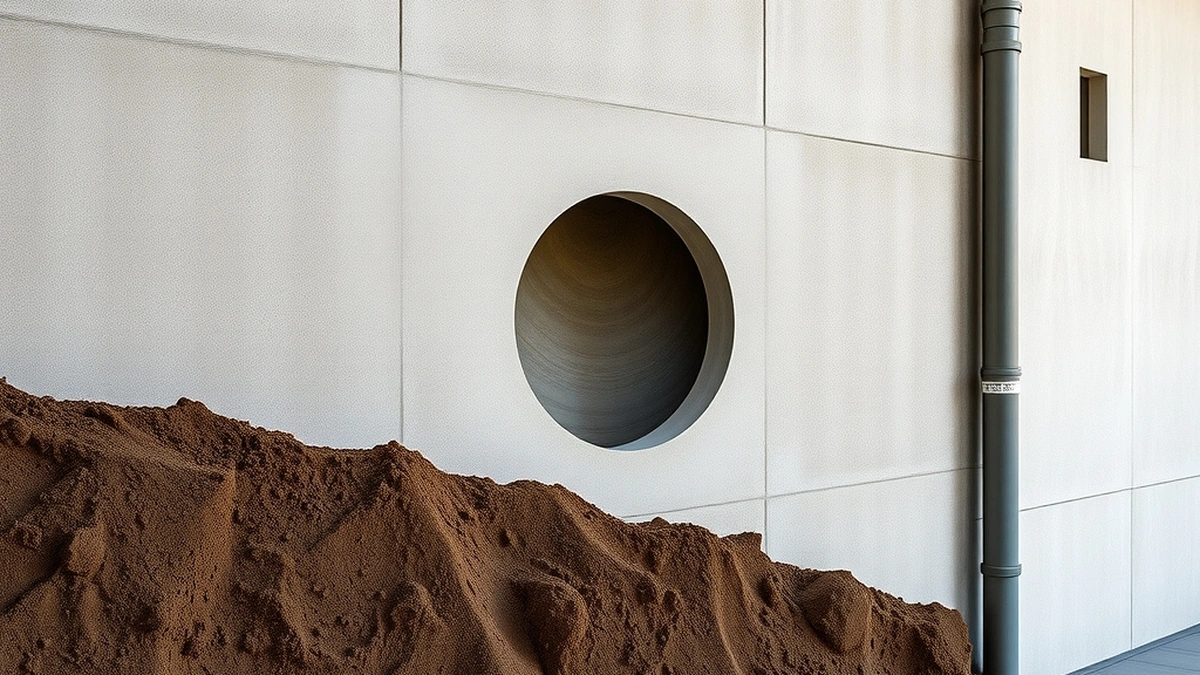
Drainage is the single most frequent cause of segmental block wall failure. When water accumulates behind the wall, it creates lateral pressure that pushes the wall away from the retained soil. The standard fix is to install a perforated drain pipe along the base of the wall, surrounded by clean drainage gravel. A typical installation uses 4-inch PVC pipe wrapped in 3/4-inch minus gravel, placed on a compacted 12-inch gravel base before any backfill is added. This costs between $5 and $15 per square foot of wall face when professionally installed.
Check weep holes regularly during the first year after construction. Vegetation, mortar joints, and sediment can all block weep holes, eliminating water escape pathways. You should also install an outlet pipe to redirect surface water away from the wall foundation.
Soil Pressure Mismanagement
Soil pressure calculations depend heavily on soil type and moisture content. Clay soils exert roughly twice the lateral pressure of sandy loam under the same conditions. An engineer should test the soil before designing the wall, but even with proper testing, installers sometimes underestimate loads. A common mistake is building a wall higher than the engineer’s design allows because the installer believes the blocks will hold up. They do not.
Lateral earth pressure is calculated using the Rankine formula: P = K × γ × H, where K is the coefficient of active earth pressure, γ is the unit weight of soil, and H is the wall height. For example, a 8-foot tall wall built on clay soil might experience approximately 4,000 pounds per linear foot of lateral pressure. If the engineer designed for 3,500 pounds per linear foot, the wall is underdesigned by roughly 15 percent. That margin matters.
Base Settlement and Foundation Issues
A segmental block wall sits on a concrete footing or base course. If the base is not properly excavated and compacted, differential settlement occurs. One side of the footing settles more than the other, causing the wall to lean. The fix involves excavating to a stable soil stratum, laying a 12-inch compacted gravel base, and reinforcing with steel mesh before placing the footing. This work typically costs $8 to $18 per square foot of footing area when done by a professional.
Mortar Joint Deterioration
Mortar joints in segmental block walls are vulnerable to freeze-thaw cycles, especially in northern climates where winter temperatures drop below 32°F. Water enters the joint, expands as it freezes, and cracks the mortar. Using a flexible mortar mix with a polymer additive reduces this risk significantly. A typical repair job involves removing deteriorated mortar, re-pointing joints with fresh mix, and applying a sealer to protect against water intrusion. Repair costs run $3 to $8 per square foot of wall face.
Anchor Bolt Problems
Anchor bolts connect the wall to the footing and resist overturning moments. If bolts are not set deep enough into the footing or if the footing itself shifts, the wall loses its anchorage. Re-anchoring is possible but disruptive. The best approach is prevention: follow the manufacturer’s specifications for bolt depth and spacing during initial installation. Most manufacturers specify bolts that extend at least 4 inches into the footing and are spaced no closer than 16 inches apart along the footing perimeter.
Choosing the Right Block Size
Block selection is the second priority after drainage and soil pressure. Blocks come in various heights and depths, and selecting the wrong size leads to structural failure. A common error is using oversized blocks without proper reinforcement. Blocks taller than 6 feet require steel reinforcement or a thicker base course. Blocks deeper than 12 inches may not provide sufficient resistance to lateral earth pressure depending on soil conditions.
A typical segmental block wall costs between $15 and $35 per square foot of wall face, depending on block size, wall height, and whether professional installation is included. Labor costs add roughly 30 to 50 percent on top of material costs.
Preventive Maintenance Schedule
Regular inspection prevents minor problems from becoming major failures. Schedule inspections twice yearly—once in spring after snowmelt and once in fall before freezing begins. During each inspection, check for:
- Cracks in mortar joints wider than 1/8 inch
- Displacement of individual blocks
- Water pooling behind the wall
- Vegetation roots pushing through joints
- Weep hole obstruction
- Leaking outlets or downspouts directing water toward the wall
If you find any of these issues early, contact a retaining wall professional before the problem worsens. Catching a drainage issue during the first growing season prevents the kind of damage that leads to expensive repairs later.
When to Call a Professional
Some problems can be addressed as DIY projects, but others require licensed expertise. Cracked mortar joints and weep hole cleaning are manageable for experienced homeowners. Soil excavation, footing work, and anchor bolt replacement should involve a professional contractor. Always consult the block manufacturer’s installation guide before beginning any work, and verify that the engineer’s design matches your soil conditions and wall dimensions.
Sources: EPA Building Science publications on retaining wall drainage; OSHA construction safety standards for wall anchorage; ICC building code guidelines for masonry wall design.
Next, compare how much does retaining wall cost, retaining wall installation, retaining wall repair before you commit.
Frequently asked questions
What is the most important measurement?
Start with the ceiling or clearance number; it decides which systems can fit.
What does a typical project cost?
Costs vary by system and site access; the guide shows the line items and a planning range.
Can I install this myself?
Some tasks are DIY-friendly, but structural, electrical, and load-bearing work should be done by a licensed professional.
How long does installation take?
A simple setup is a weekend; a full build with electrical or structural work can take several weeks.
What should I check before buying?
Confirm dimensions, load ratings, and the manufacturer's installation requirements for your exact model.
Where can I find local help?
Ask a licensed contractor or installer who has worked with the same system and can inspect your site.
Sources
Some links are affiliate links.If you buy through them we may earn a commission at no extra cost to you. We do not accept payment for rankings. Read the full disclosure.