Poured Concrete Maintenance: Sealing, Patching, Drains
How to inspect a concrete retaining wall, repair cracks by type, patch spalls, renew waterproofing, and keep the drainage that protects the steel.
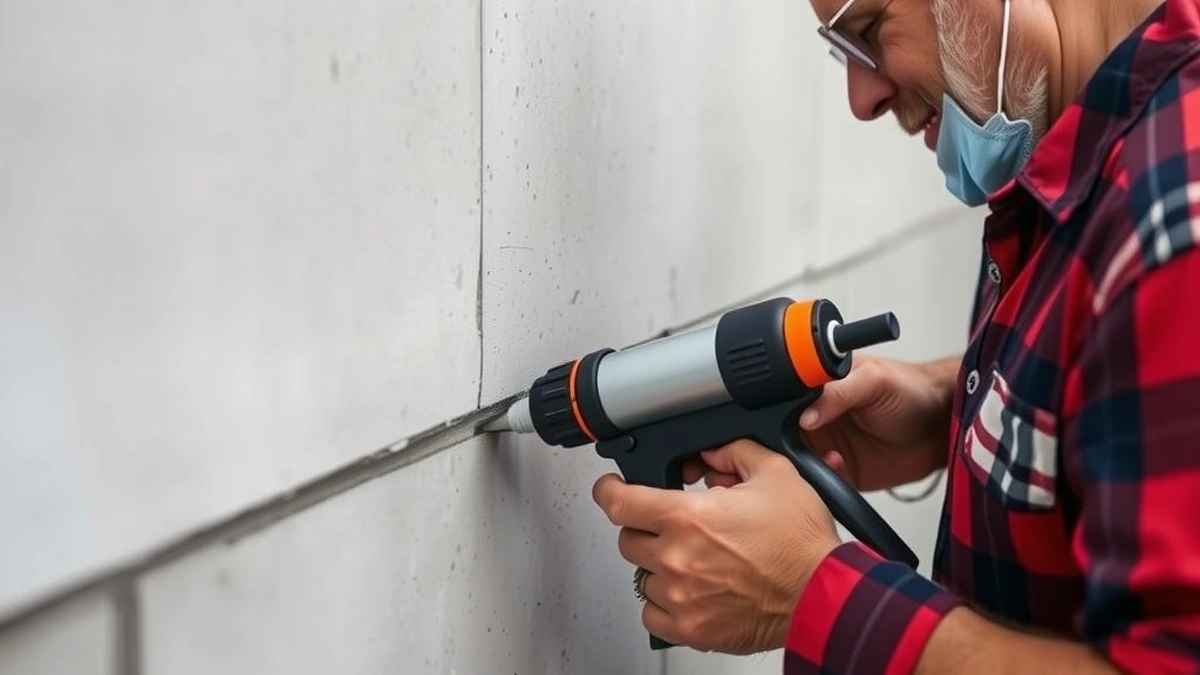
Poured concrete maintenance means inspecting yearly, sealing hairline cracks, injecting working cracks, patching spalls before rebar corrodes, and keeping the drain clear. It is mostly water control: a dry wall holds its steel, and a wet wall spalls within a decade.
- Inspection frequency
- Once a year
- Hairline crack treatment
- Route and seal
- Working crack treatment
- Epoxy or polyurethane injection
- Penetrating sealer
- $0.50 - $1.50 per square foot
- Wall replacement
- $25 - $60 per square foot
Some links on this page are affiliate links.If you buy through them we may earn a commission at no extra cost to you. We do not accept payment for rankings. Read the full disclosure.
Poured concrete maintenance is the annual routine that keeps water out of a wall: inspecting the face, sealing small cracks before they widen, patching spalls before the rebar corrodes, and confirming the drain still discharges. It is cheap against the alternative. Sealer costs $0.50 to $1.50 per square foot, and a replacement wall costs $25 to $60.
What Maintenance Can and Cannot Do
Concrete is strong in compression and weak in tension, which is why it is reinforced. Maintenance protects the two things that make the wall work: the steel, and the soil beneath the footing. Keeping water away from the steel prevents corrosion; keeping water out of the backfill keeps the load where it was designed.
Maintenance cannot restore capacity that has already been lost. A wall with a horizontal crack, a lean, or widespread honeycombing has a structural problem, and sealing the surface does not address it. Those belong to an engineer, not to a tube of sealant.
The Annual Inspection
Walk the wall once a year, in spring, when freeze-thaw damage is visible and the ground is still wet enough to show drainage problems. Take photographs with a ruler against anything you find, and write the date on them.
Check the face for new cracks, rust staining, spalling, and white bloom. Check the top for a cap or grade that has settled. Check the toe for wet soil, which means water is coming through or around the wall rather than out the drain.
Compare against last year’s photographs. A 1/16-inch crack that has not changed is a maintenance item. The same crack at 1/8 inch is a trend, and trends are what matter.
Crack Repair by Type
| Crack | Method | Typical cost |
|---|---|---|
| Hairline, under 1/16 in, stable | Route to a V and fill with flexible sealant | $5–$12 per linear foot |
| Stable but wider than 1/16 in | Epoxy injection | $20–$50 per linear foot |
| Leaking or still moving | Polyurethane injection | $15–$40 per linear foot |
| At a cold joint | Inject with waterstop-compatible resin | $25–$55 per linear foot |
| Map cracking over an area | Investigate cause before sealing | Diagnosis first |
The distinction that matters is movement. Epoxy is rigid and strong, so it is right for a crack that has finished moving and needs its tensile capacity restored. Polyurethane stays flexible and foams on contact with water, so it is right for a crack that leaks or may still move.
Routing a hairline crack into a small V before sealing gives the sealant somewhere to sit. Smearing sealant over the surface of a hairline crack leaves it sitting proud of the face, where traffic and weather peel it off within a season.
Patching Spalls
A spall is a shallow or deep breakout, and the repair depends on whether rebar is exposed. If it is, the bar has to be cleaned to bare metal, inspected for section loss, and treated with a corrosion inhibitor before any patch goes on.
Cut the edges of the patch square and to sound concrete, not feathered. A feathered edge is too thin to bond and will lift. Wet the substrate, apply a bonding agent if the product calls for it, and place a repair mortar matched to the wall’s strength.
Deep patches may need formwork to hold the material. Patching overhead or on a vertical face with a stiff mix is slow work, and rushing it produces a patch that sounds hollow within a year.
Keeping Water Out
Water reaches a concrete wall from three directions: through the soil face, through the top, and through the exposed face. Each has a different control.
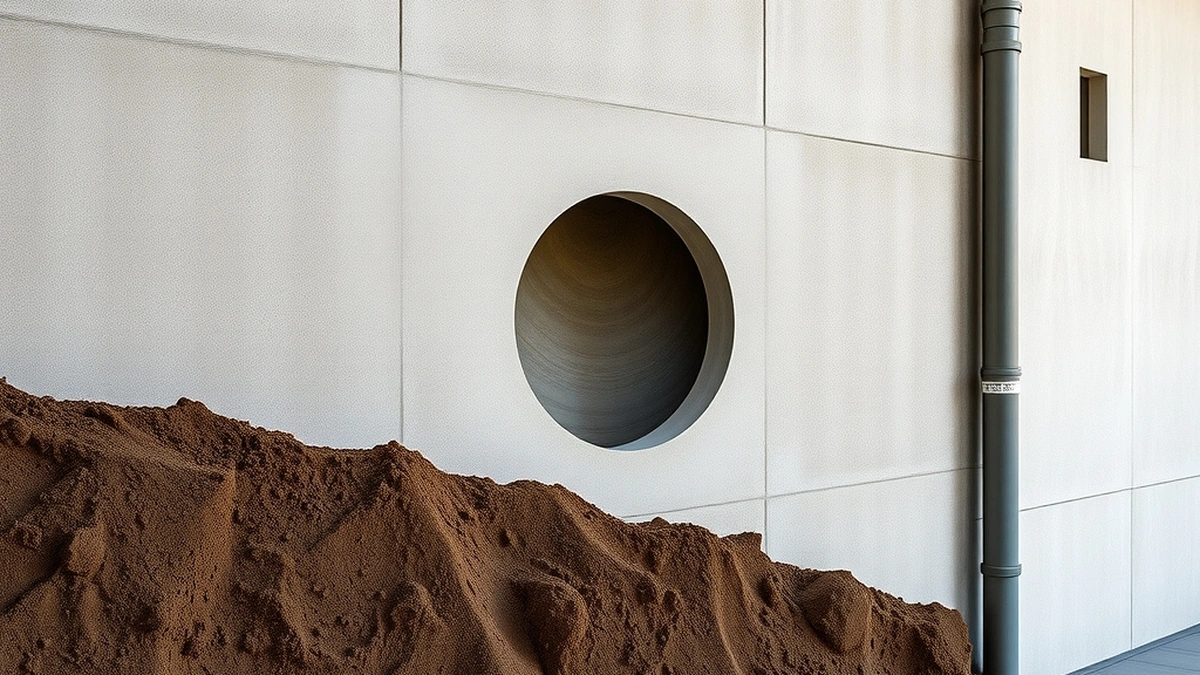
Soil face. The waterproofing membrane or coating applied during construction is the primary barrier. It is not renewable without excavation, which is why the drainage detail matters so much.
Top. The grade behind the wall should slope away, and the wall top should have a cap or a shaped detail that sheds water. Soil piled against the top of the wall is a direct path in.
Exposed face. A penetrating silane or siloxane sealer reduces absorption without trapping vapour. Film-forming sealers can blister when moisture behind them tries to escape, so they are usually the wrong choice on a retaining wall.
None of these substitutes for drainage. A gravel layer and a working perforated pipe relieve the water before it ever reaches the concrete, and they cost $5 to $15 per square foot.
Joints and Efflorescence
Control joints are supposed to open, so the sealant in them is a wear item. Check each joint annually, cut out failed sealant, and replace it with a flexible joint sealant. A joint that has opened wider than the sealant can span needs a backer rod and a larger sealant profile.
Efflorescence is cleaned with a stiff brush and a diluted acid or proprietary remover, then rinsed. It is cosmetic, but it is also a tracer: it shows where water is moving. Clean it, then find the water.
When to Bring In a Pro
Bring in an engineer for horizontal cracks, cracks over 1/4 inch, a lean of more than about 2 inches, or spalling that exposes significant lengths of rebar. Bring in a concrete repair contractor for epoxy or polyurethane injection, deep spall repair, and joint replacement.
The economic test is the same one used for walls generally. If the repair bid passes about 60 percent of replacement cost, replace instead. The problems guide explains which failure patterns fall on which side of that line.
A Five-Year Schedule
- Year 1. Inspect, photograph, seal hairline cracks, and confirm the drain outlet discharges.
- Year 2. Re-inspect the same locations, patch any new spalls, and clear the outlet again.
- Year 3. Check joint sealant, replace failed sections, and clean efflorescence.
- Year 4. Re-inspect, and have any crack that has widened injected by a contractor.
- Year 5. Apply a penetrating sealer if the wall is in a freeze-thaw climate, and reassess the drainage.
For the repair methods behind each step, read retaining wall repair. For the drainage that does most of the work, see retaining wall drainage, and for replacement pricing when maintenance stops making sense, poured concrete cost.
Frequently asked questions
How often should a concrete retaining wall be maintained?
Inspect once a year, preferably in spring, and re-check any crack you recorded at the same time the following year. Cleaning and crack sealing are done as needed, and a penetrating sealer is usually reapplied every five to ten years depending on exposure.
What is the best way to repair a crack in a concrete wall?
It depends on whether the crack is moving. A stable hairline crack is routed into a V and filled with a flexible sealant. A structural crack that has stopped moving is injected with epoxy. A crack that leaks or is still moving is injected with polyurethane, which stays flexible and seals water out.
Can I seal a concrete retaining wall myself?
Penetrating sealers and small crack seals are within reach of a careful homeowner. Epoxy injection, spall repair with exposed rebar, and anything structural are not, because they need the right preparation and the wrong repair can trap water and accelerate corrosion.
How do I stop efflorescence coming back?
Remove the source of water, not just the bloom. Efflorescence is salt carried by water moving through the concrete. Clean the face, then check the grade, the drainage outlet, and any irrigation that sprays the wall. If water still enters, the bloom returns within a season.
Does a concrete wall need waterproofing on the outside?
Yes, on the soil face. That is the side the water comes from, and it is only accessible during construction or a major rebuild. Surface sealers on the exposed face are a supplement, not a substitute for a membrane against the soil.
When should I replace rather than maintain a concrete wall?
When the repair estimate passes about 60 percent of replacement cost, when the wall is leaning, or when horizontal cracking shows the reinforcement is inadequate. At that point maintenance is spending money on a structure that will not regain its capacity.
Sources
Some links are affiliate links.If you buy through them we may earn a commission at no extra cost to you. We do not accept payment for rankings. Read the full disclosure.