Leaning wall: repair options
Why retaining walls lean and how to fix them: drainage correction, rebuilding, anchors and buttresses, with the cases that need an engineer.
A leaning retaining wall is repaired by relieving the water pressure behind it, then rebuilding or reinforcing the section. Small leans can be stabilized with drainage and a rebuilt face; larger movements need an engineer and may require anchors or a new wall.
- First cause
- Water pressure behind the wall
- Drainage and backfill
- $5 - $15 per square foot
- Block wall rebuild
- $15 - $35 per square foot
- Engineer
- Required for significant movement
Some links on this page are affiliate links.If you buy through them we may earn a commission at no extra cost to you. We do not accept payment for rankings. Read the full disclosure.
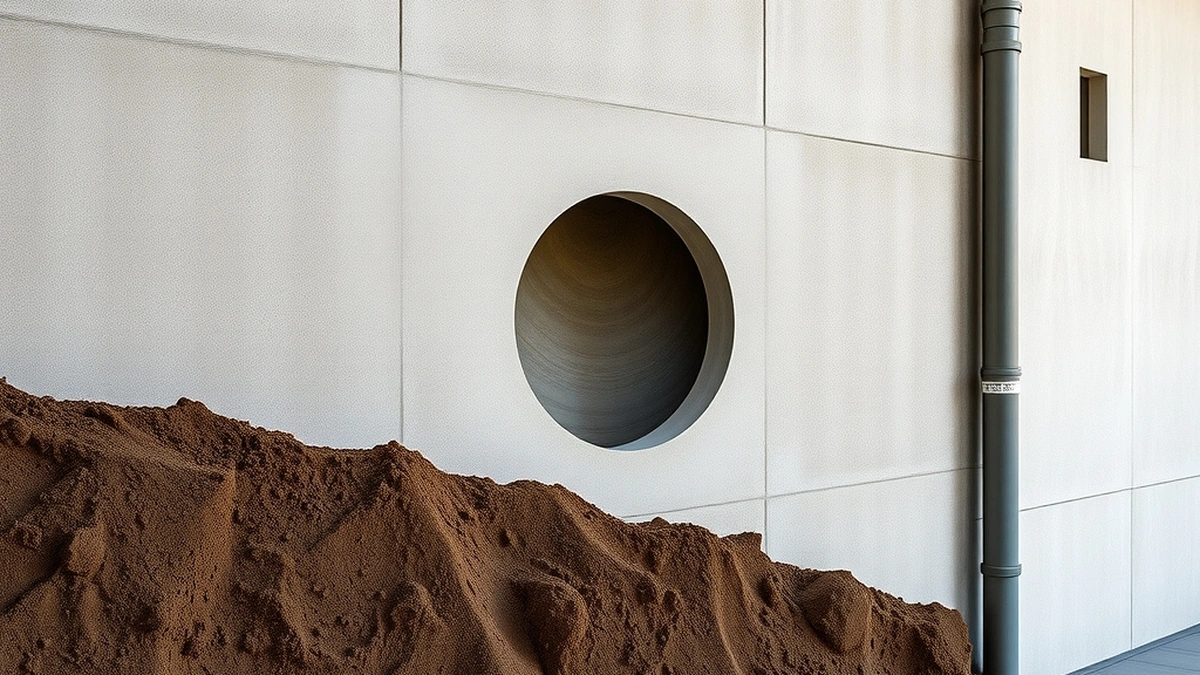
A leaning retaining wall is almost always a water problem. Saturated backfill pushes harder than dry soil, and a drain that is clogged or missing lets the pressure build until the wall rotates. The repair starts with relieving that pressure, then rebuilding or reinforcing the section. Drainage and backfill run $5 to $15 per square foot; a block rebuild runs $15 to $35.
Why walls lean
There are four common causes, and they often overlap.
Water in the backfill is the first. Saturated soil is heavier and exerts more lateral pressure, and the water also softens the base.
A footing that is too small or too shallow is the second. The wall rotates about its base when the footing cannot resist the overturning force.
A surcharge load is the third: a driveway, a building or a stockpile above the wall adds load that the design did not account for.
Frost is the fourth in cold climates. Water in the backfill freezes, expands, and pushes the wall outward.
Repair options by severity
| Severity | Symptom | Repair |
|---|---|---|
| Minor | Slight lean, drain blocked | Clear drain, monitor |
| Moderate | Lean with open joints | Rebuild face with drainage |
| Significant | Rotation or bulge | Engineered repair, anchors |
| Severe | Collapse or near-collapse | Rebuild or replace wall |
| Recurring | Lean returns after repair | Fix the water source |
The first step in every case is to find where the water is coming from. A repair that does not address the source will lean again.
Relieving the water
The drain at the base has to work. That means a clear outlet, gravel backfill that is not clogged with fines, and filter fabric between the gravel and the soil.
If the drain is buried or blocked, clearing it can reduce the pressure enough to stop the movement. That is a temporary measure, not a repair, but it buys time. It also confirms the diagnosis: if the lean slows after the drain is cleared, water was the driver.
Weep holes at the face are a useful diagnostic. If they run clear after rain, the drain is working. If they are dry, the water is going somewhere else.
Rebuilding the face
A moderate lean with open joints is often repaired by removing the face, correcting the base, installing new drainage, and rebuilding.
The sequence is predictable:
- Excavate behind the wall to relieve the pressure and expose the backfill.
- Remove the face units and stack them clear of the work area.
- Inspect and recompact the base, replacing soft material.
- Install filter fabric, gravel and the perforated drain at the base.
- Rebuild the face with the correct batter, backfilling in lifts.
- Cap the wall and restore the surface above it.
For a block wall, that means lifting the units, recompacting the base, replacing the drain and gravel, and restacking. The cost is close to a new wall at $15 to $35 per square foot.
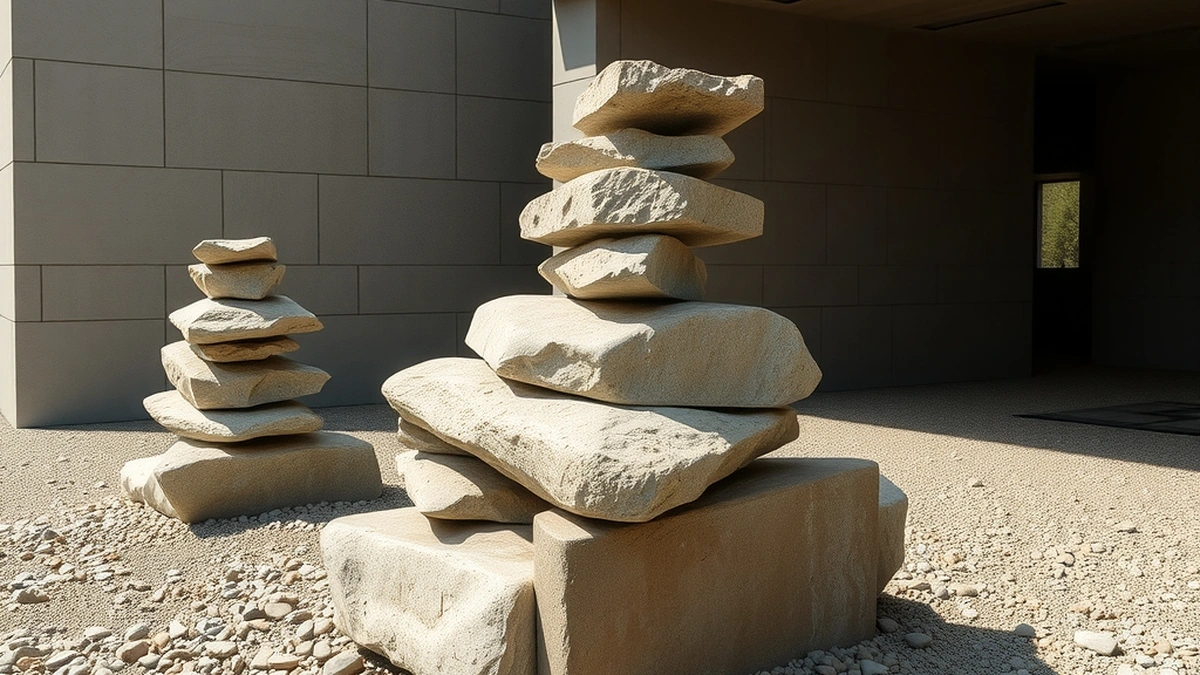
For a boulder wall, individual stones can be reset, but the same base and drainage work applies.
Anchors and reinforced repairs
A wall that has rotated significantly may need anchors: steel rods or plates installed through the wall into the soil behind, tied to a grouted anchor.
Anchors are an engineered solution. They require a design, a geotechnical assessment and a contractor who has done the work before. The anchor spacing, the grout and the plate size all come from the design, not from a catalogue.
The alternative is a buttress or a new wall built in front of the old one, which is sometimes cheaper than anchoring. A buttress adds weight and width at the base, and it can be faced to match the existing wall.
When to call an engineer
Call for an assessment when the wall is bulging over a length, when the top has moved more than 2 inches, when the wall retains a slope above a structure, or when the movement is accelerating.
A wall that is rotating about its base is a different problem from a wall that has settled vertically. The first is a pressure or footing issue; the second is a base issue. A wall can also do both at once, which is why the assessment starts with a survey of the movement rather than a guess.
Both need a design, not a patch. And any wall above the local height threshold should have an engineered design on file, whether or not it is currently moving. If the design does not exist, obtaining one is the first step before any repair is priced.
What the repair costs
Drainage and backfill at $5 to $15 per square foot is the core of most repairs. On a 120 square foot face at $10, that is 120 × $10 = $1,200. That line applies to every repair level, from a drain clearing to a rebuild.
A block rebuild at $25 per square foot on the same face is 120 × $25 = $3,000, plus drainage.
Anchors and engineered repairs are quoted per project and depend on the wall height, the soil and the access.
The cheapest intervention is at the first sign of a lean, when the drain can still be cleared and the face is intact. Waiting until the joints open turns a drainage job into a rebuild.
For prevention, read leaning wall prevention. For the early signs, see leaning wall warning signs, and for the drainage system, check retaining wall drainage.
Frequently asked questions
Can a leaning retaining wall be straightened?
Sometimes. A small lean caused by saturated backfill can be corrected by rebuilding the face with proper drainage. A wall that has rotated needs an engineered repair.
What causes a retaining wall to lean?
Water pressure in the backfill, a base that has settled, an inadequate footing, or a surcharge load above the wall. Most leans trace back to water.
Is a leaning wall dangerous?
It can be. A wall that is rotating or bulging can fail suddenly, especially after heavy rain. Keep people and vehicles away until it is assessed.
How much does it cost to fix a leaning wall?
Drainage and backfill run $5 to $15 per square foot, and a rebuild of a block wall runs $15 to $35 per square foot. Anchors and engineered repairs are quoted per project.
Can I just push the wall back?
No. Pushing it back without relieving the water pressure and fixing the base repeats the movement, usually within a season.
Do I need a permit to repair a wall?
Often yes, especially if the wall is above the local height threshold or retains a slope near a structure. Check with the building department before work starts.
Sources
Some links are affiliate links.If you buy through them we may earn a commission at no extra cost to you. We do not accept payment for rankings. Read the full disclosure.