Is retaining wall worth it? Value and cost test
When a retaining wall earns its cost, when regrading is cheaper, and how to price the usable flat ground a wall actually creates.
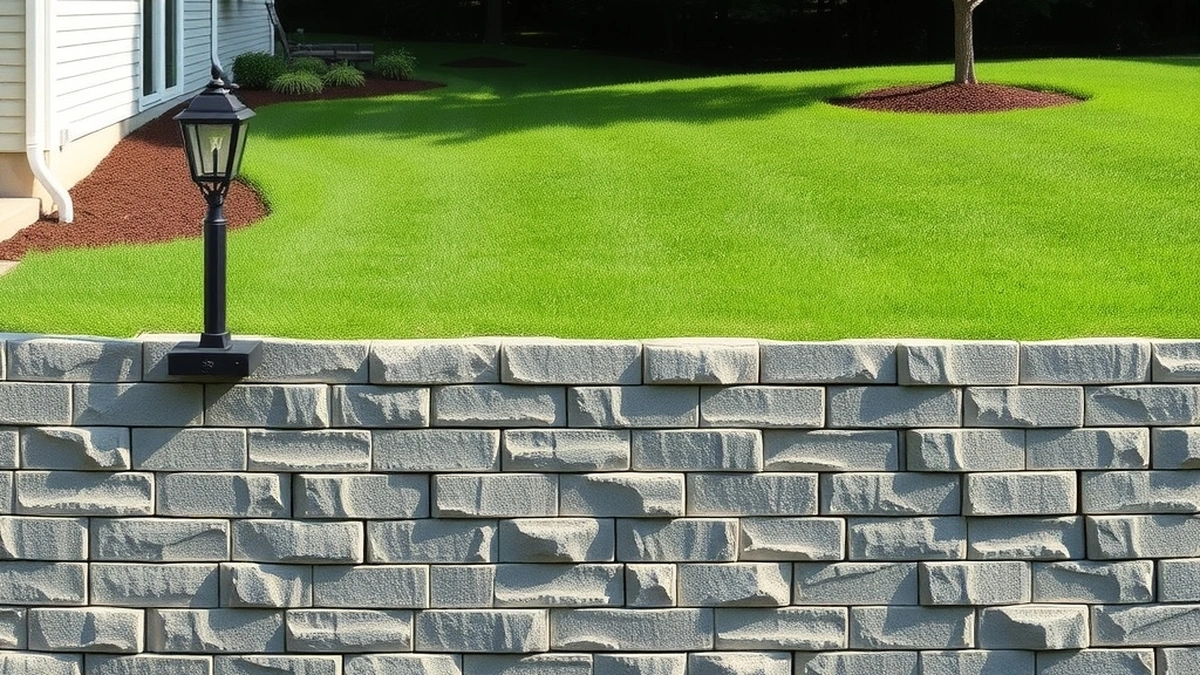
A retaining wall is worth it when it creates usable flat ground, stops active erosion, or protects a structure. It is usually not worth it for a low decorative edge, where regrading or a planted slope costs less.
- Block wall cost
- $15–$35 per sq ft
- Poured concrete cost
- $25–$60 per sq ft
- Timber wall cost
- $10–$25 per sq ft
- Drainage and backfill
- $5–$15 per sq ft
Some links on this page are affiliate links.If you buy through them we may earn a commission at no extra cost to you. We do not accept payment for rankings. Read the full disclosure.
A retaining wall is worth its cost when it turns unusable slope into flat ground you actually use, stops erosion that is getting worse, or protects a structure from soil movement. It is rarely worth it as decoration on a low slope you could simply regrade. The decision is a comparison between the wall and the alternatives, not between the wall and nothing.
What You Are Actually Buying
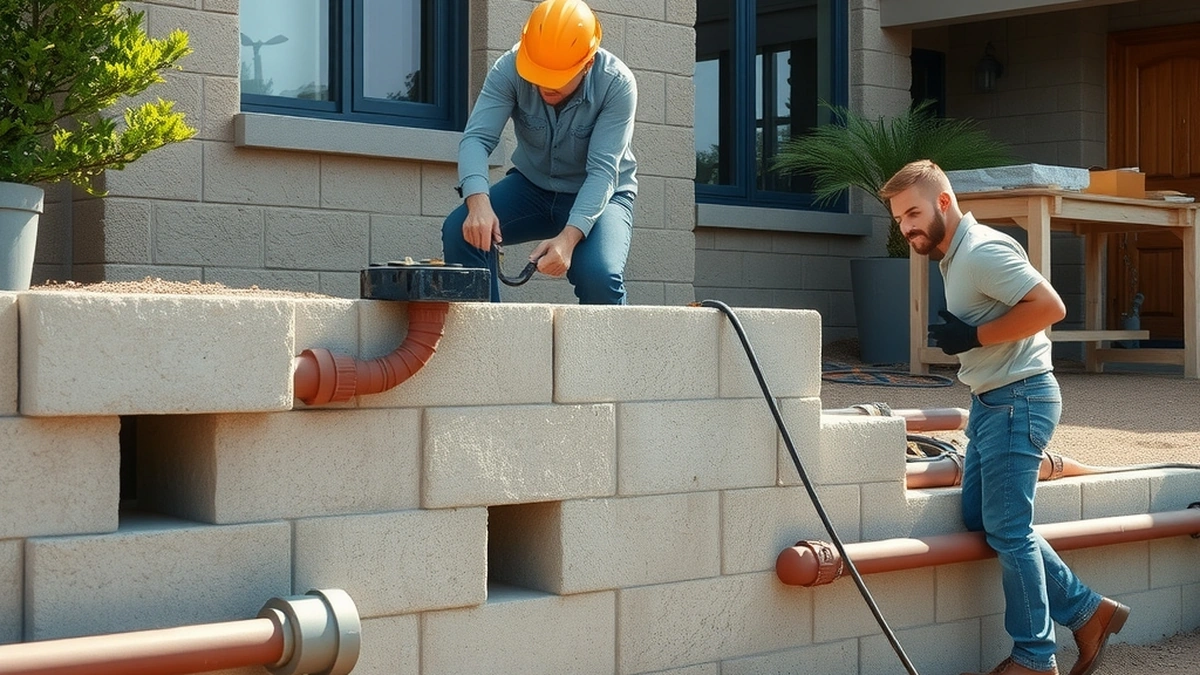
A retaining wall is a structure that holds soil at two elevations, and what it produces is level ground where there was a slope. That is the product. Stone, block, or concrete is the method.
So the value question is: what is a square foot of usable flat yard worth to you, and how many square feet does this wall create? A wall that creates 600 square feet of terrace for a patio and a lawn is buying something. A wall that holds back a 2-foot bank beside a driveway is mostly maintenance.
The Cost Per Square Foot of Flat Ground
Take a wall 40 feet long and 4 feet high, holding a terrace 15 feet deep. Face area first:
40 feet × 4 feet = 160 square feet.
At $25 per square foot for segmental block:
160 square feet × $25 = $4,000.
Drainage and backfill at $10 per square foot:
160 square feet × $10 = $1,600.
Total installed: $5,600, before permits, engineering, or paving.
Usable ground created:
40 feet × 15 feet = 600 square feet.
Cost per square foot of new flat ground:
$5,600 ÷ 600 square feet = $9.33 per square foot.
That is the number to argue with. Compare it against the cost of the alternative — buying a bigger lot, paving a slope, or living with the space you have — and against what you would spend on the landscaping that goes on top of it.
When It Is Clearly Worth It
The slope is unusable. If the grade is steep enough that you cannot mow, sit, or play on it, the wall converts dead space into square footage.
Erosion is active. A bank washing into a driveway, a patio undermining at the edge, or soil moving toward a foundation is a problem that gets more expensive every season. A wall plus drainage is the fix.
A structure needs the space. A garage, pool, or addition on a slope often requires a wall by default, and the cost is part of the project rather than a discretionary upgrade.
An existing wall is failing near something valuable. Replacing a leaning wall before it takes a patio or a fence with it is almost always cheaper than repairing the collateral damage.
The timing matters as much as the decision. A wall that is monitored for two years and then rebuilt costs the same as one rebuilt immediately, minus the two years of usable ground — and plus the risk that a sudden failure damages something else. If the case for the wall is already clear, the delay is not saving money.
When It Is Not Worth It
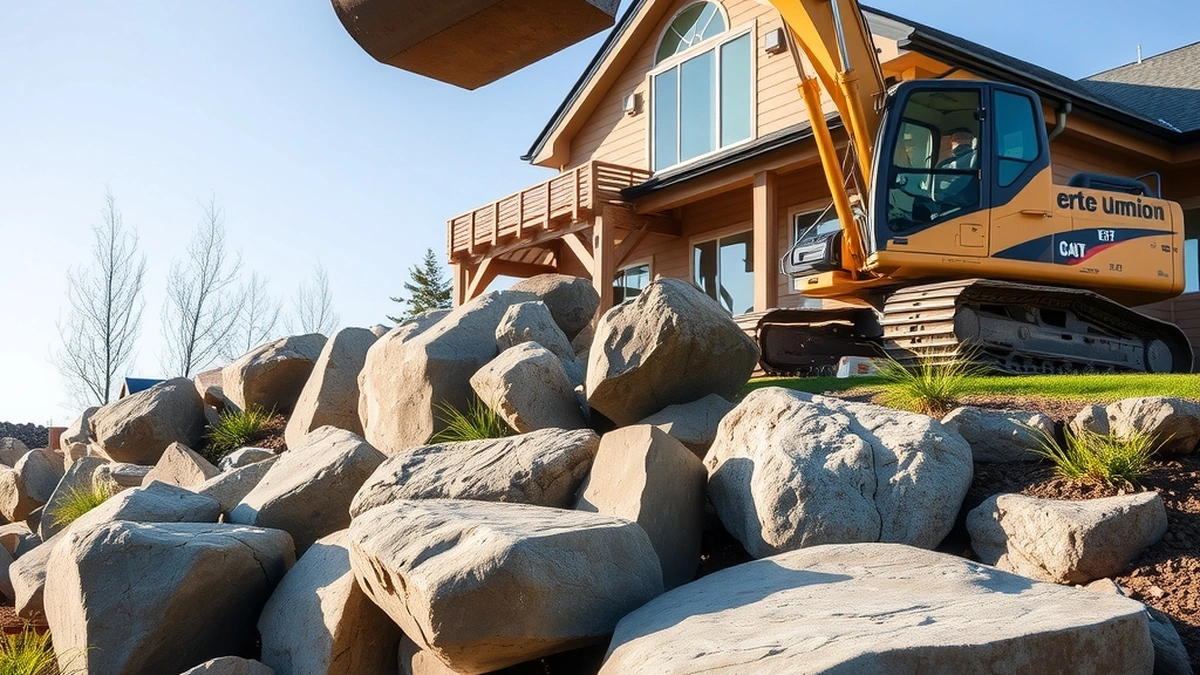
The grade change is under about 18 inches. At that height, a boulder edge, a planted slope, or a simple regrade handles it for a fraction of the cost.
You have horizontal room. Regrading spreads the slope out and needs no structural material. If your lot is deep enough, the cheapest wall is no wall.
The site fights you. Narrow access, shallow bedrock, buried utilities, or a slope that needs a 6-foot wall in clay can push the cost well above the $15 to $60 per square foot range, and the value case gets harder at every increment.
It is purely cosmetic. A wall that exists to make a slope look tidier, with no space gained and no erosion stopped, is landscaping expense dressed as a structural improvement.
Wall vs Regrade vs Terrace
| Option | Typical cost signal | Ground gained | Best when |
|---|---|---|---|
| Regrade the slope | Earthmoving only, no wall material | Same footprint, gentler grade | You have horizontal room |
| Planted slope with erosion control | Lowest material cost | None, but stable | Grade is under about 3:1 |
| Single block wall | $15–$35 / sq ft plus drainage | Full terrace depth | You need vertical space fast |
| Two low terraced walls | Two shorter faces, more footprint | Two benches | Slope is long and you want planting beds |
| Poured concrete wall | $25–$60 / sq ft | Full terrace, highest strength | Surcharge loads or height above 4 ft |
The two-terrace option is often the best value on a long slope, because each wall is shorter and the benches give you planting space. It costs more in total face area but less per unit of retained height, and it is easier to build without engineering.
How to Decide, In Order
- Measure the grade change at its steepest point, not its average.
- Check whether regrading fits. Walk the lot and see how far the slope could be spread.
- Price the wall at the height you need, using $15 to $35 per square foot for block and adding $5 to $15 for drainage.
- Compare cost per square foot of flat ground gained against your other options.
- Add the landscaping and paving you will want on top, because those costs usually arrive together.
- Get one local opinion from an agent or appraiser about how the improvement reads in your market, rather than relying on a national percentage.
If the arithmetic supports it, move to retaining wall cost for a line-item budget and retaining wall drainage for the detail that protects the investment. If it does not, landscape retaining wall covers the lower-cost design options that still solve a modest grade.
Frequently asked questions
Is a retaining wall a good investment?
It is a good investment when it adds usable, level outdoor space or prevents erosion that would otherwise cost more to fix. It is a poor investment when it exists only to look tidy on a slope you could regrade.
How much usable space does a retaining wall create?
Roughly the wall length times the depth of the terrace behind it. A 40-foot wall holding a 15-foot-deep terrace adds about 600 square feet of flat ground, before plantings or paving.
Is it cheaper to regrade than to build a retaining wall?
Usually yes, if you have the horizontal room. Regrading spreads the slope over more distance and needs no structural material, while a wall concentrates the grade change into a structure you must build and maintain.
Does a retaining wall increase home value?
Usable flat yard and a fixed erosion problem are things buyers and appraisers tend to credit, but there is no reliable national percentage. Treat added value as a judgment from a local agent, not a formula.
When is a retaining wall not worth building?
When the grade change is under about 18 inches, when regrading is possible, when the wall would only be decorative, or when site access makes the build cost far above the local norm.
What happens if I do nothing about a failing wall?
A failing wall usually gets worse faster than it got bad. Water finds the weak point, movement accelerates, and what was a repair becomes a rebuild at full installed cost.
Sources
Some links are affiliate links.If you buy through them we may earn a commission at no extra cost to you. We do not accept payment for rankings. Read the full disclosure.