Bulging: Warning Signs Your Retaining Wall Is Failing
Learn the early warning signs of a bulging retaining wall and when to call a pro before collapse.
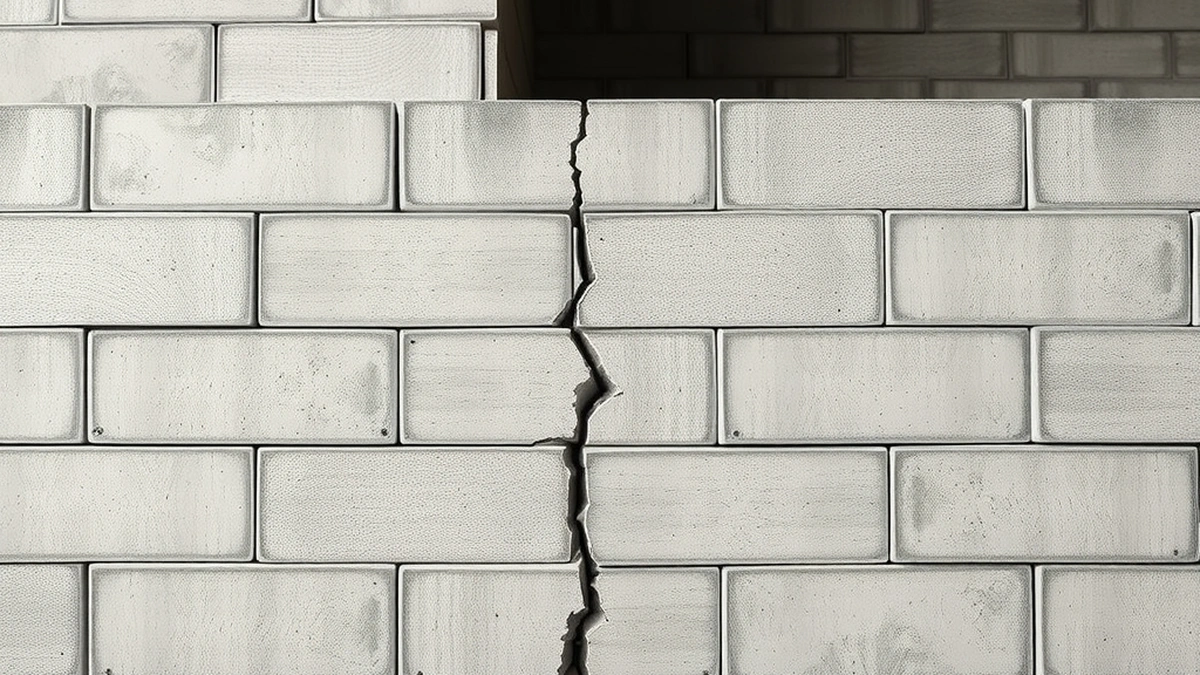
A bulging retaining wall shows horizontal cracks, leaning, separated blocks, or soil pushing through joints. Act immediately.
- Primary cause
- Hydrostatic pressure and poor drainage
- Most urgent sign
- Horizontal cracking or sudden lean
- Typical repair range
- $10–$60 per sq ft depending on material
- Immediate action
- Clear weight above the wall and call a contractor
Some links on this page are affiliate links.If you buy through them we may earn a commission at no extra cost to you. We do not accept payment for rankings. Read the full disclosure.
A bulging retaining wall is a structural warning, not a cosmetic issue. When a wall bows outward, soil pressure has exceeded the wall’s resistance, and the risk of sudden collapse rises quickly. Identifying the signs early can mean the difference between a targeted repair and a full replacement.
What Bulging Means for a Retaining Wall
Bulging occurs when the face of a retaining wall moves outward away from the soil it holds back. Unlike a wall that was built with a deliberate batter or setback, a bulge develops after construction and signals that internal forces are winning. The most common driver is water. When drainage fails, saturated soil behind the wall gains weight and exerts hydrostatic pressure against the back of the wall. For context, a cubic foot of saturated soil can weigh 100 to 120 pounds, and a 10-foot-high wall may be retaining thousands of pounds of lateral force per linear foot. Without an escape path for water, that pressure pushes the wall outward until blocks shift, mortar cracks, or the entire structure leans.
Early Visual Warning Signs
Homeowners should inspect retaining walls seasonally and after heavy rain. The earliest visible clues include:
- New horizontal cracks running through blocks, bricks, or poured concrete
- Vertical cracks that widen at the top or bottom
- Blocks or stones that have shifted out of alignment
- Gaps opening between individual units or at corner joints
- Soil or gravel squeezing through face joints
- A noticeable lean when viewed from the end of the wall
Horizontal cracks are especially serious because they indicate the wall is bending under pressure rather than settling uniformly. If you see a crack that fits a dime or wider, or if the wall face has moved more than an inch out of plane, treat it as a priority repair rather than a routine maintenance item.
Drainage Failures That Trigger Bulges
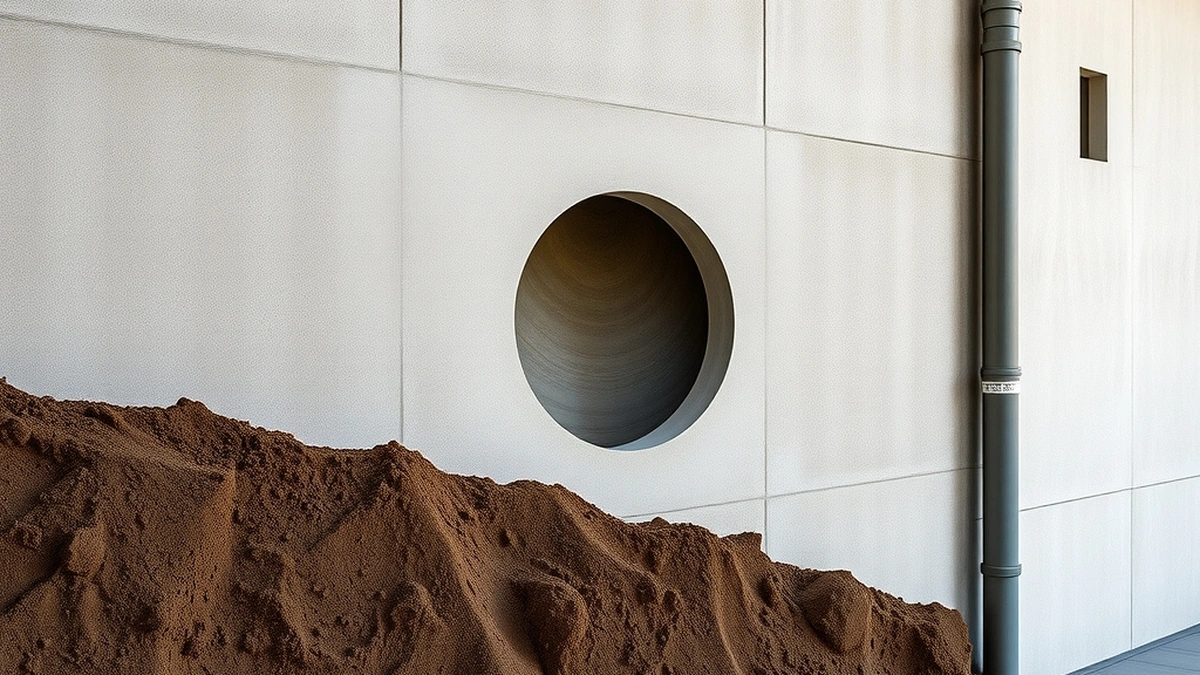
Poor drainage is the root cause in most bulging walls. Water should never be allowed to pool behind the wall or soak the backfill unchecked. Common drainage failures include missing or clogged weep holes, absent drain pipe behind the first course of block, and backfill made of fine soil that holds water instead of draining freely.
A functional drainage system typically includes gravel backfill behind the wall, a perforated drain pipe at the base, and an outlet that carries water away from the structure. The cost to add drainage and backfill during a repair is commonly estimated at $5–$15 per sq ft, depending on site access and pipe length. By comparison, replacing a block wall runs roughly $15–$35 per sq ft, poured concrete $25–$60 per sq ft, timber $10–$25 per sq ft, gabion $20–$40 per sq ft, and boulder walls $20–$45 per sq ft. Fixing drainage early is almost always less expensive than rebuilding a collapsed wall.
Load and Pressure Arithmetic
Understanding the forces involved helps explain why a small bulge can become a large failure quickly. Consider a wall retaining soil 8 feet high. If the soil weighs approximately 110 pounds per cubic foot when saturated, each square foot of wall face resists a significant column of soil and water. Lateral earth pressure increases with depth, so the base of the wall carries the greatest load. A simple estimate for equivalent fluid pressure might use 50 to 60 pounds per cubic foot for well-drained granular backfill, but saturated clay can produce much higher values.
If a 20-foot-long wall retains 8 feet of soil, the wall face contains 160 square feet of surface. Even at a modest average pressure of 300 pounds per square foot across that face, the wall is resisting roughly 48,000 pounds of lateral force. When drainage fails, that number climbs. A wall that bows just 2 inches under that load has already yielded structurally, and further movement can happen rapidly once the connection between units breaks down.
When to Call a Professional
Not every crack requires immediate evacuation, but certain conditions demand a contractor or structural engineer. Call a professional if the wall is leaning more than 1 inch per 8 feet of height, if cracks are actively widening, or if you notice movement after a storm. Walls supporting driveways, patios, or structures above them carry surcharge loads that increase risk, and any bulge in those situations should be evaluated promptly.
A contractor can determine whether the wall can be stabilized with improved drainage, tie-backs, or partial rebuilding, or whether full replacement is safer. For repair guidance, see our overview of retaining wall repair options. If the wall is beyond repair, the installation page covers replacement planning.
Repair Costs by Wall Material
Repair costs vary widely by material and the extent of the bulge. The table below shows estimated installed cost ranges per square foot, not including engineering or permitting where required.
| Wall type | Estimated cost per sq ft |
|---|---|
| Block | $15–$35 |
| Poured concrete | $25–$60 |
| Timber | $10–$25 |
| Gabion | $20–$40 |
| Boulder | $20–$45 |
| Drainage and backfill add-on | $5–$15 |
For example, repairing a 200-square-foot block wall with drainage work might fall in a range of $3,000 to $7,000 for the wall surface plus $1,000 to $3,000 for drainage and backfill, for a rough total of $4,000 to $10,000. These are estimates; actual pricing depends on local labor rates, wall height, access, and whether the footing must be replaced.
Prevention Through Maintenance
Routine maintenance is the cheapest way to avoid bulging. Keep weep holes clear of debris, make sure downspouts and irrigation do not discharge behind the wall, and avoid placing heavy fill, vehicles, or storage directly on top of the wall crest. Inspect the wall after every major storm and photograph any cracks so you can track whether they grow.
If you are planning a new wall, proper design starts with soil conditions and drainage, then block choice. Our guide to retaining wall cost per square foot breaks down material pricing, and our maintenance checklist covers seasonal inspection steps. For walls on steep slopes or near property lines, a professional design is recommended before construction begins.
Bottom Line
A bulging retaining wall is telling you that soil and water pressure have overcome its structural capacity. Watch for horizontal cracks, leaning, separated blocks, and soil escaping through joints. Address drainage issues immediately, reduce any weight on top of the wall, and contact a qualified contractor if the movement is visible or worsening. Early action protects the wall, the landscape behind it, and anything built above it.
Next, compare how much does retaining wall cost, retaining wall installation, retaining wall repair before you commit.
Frequently asked questions
What is the first sign of a bulging wall?
Look for horizontal cracks near the middle or base of the wall, or a visible lean away from the retained soil.
Can a bulging wall be fixed without replacement?
Minor bulges caused by drainage issues can sometimes be repaired, but significant leaning usually requires partial or full rebuild.
How much does retaining wall repair cost?
Costs depend on material; block walls run $15–$35 per sq ft, poured concrete $25–$60 per sq ft, and timber $10–$25 per sq ft.
Does drainage affect bulging?
Yes. Water trapped behind the wall adds hydrostatic pressure, which is a leading cause of bulging and collapse.
Should I remove soil above a bulging wall?
Reducing surcharge load can slow movement, but do not dig at the base without professional guidance because that can trigger failure.
When is a bulging wall an emergency?
Treat it as an emergency if the wall is leaning rapidly, cracks are widening, or soil is visibly pushing through joints.
Sources
Some links are affiliate links.If you buy through them we may earn a commission at no extra cost to you. We do not accept payment for rankings. Read the full disclosure.