Timber Reviews: What Owners Report
Timber reviews for retaining walls: what owners praise, what they complain about, and how to check a contractor's price and references.
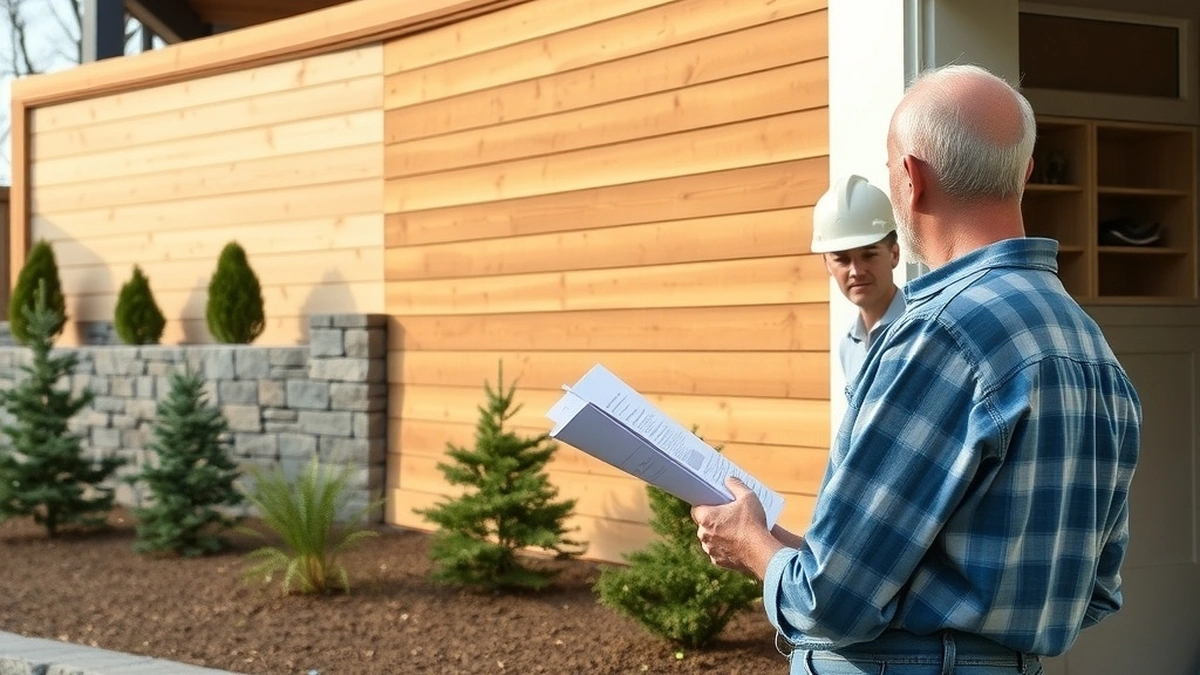
Timber reviews praise the $10 to $25 per square foot price and the natural look, then criticize rot and a shorter life. Read the year installed and the drainage detail before deciding.
- Material rate
- $10-$25 per sq ft
- Drainage and backfill
- $5-$15 per sq ft
- Common praise
- Cost and appearance
- Common complaint
- Rot and shorter life
Some links on this page are affiliate links.If you buy through them we may earn a commission at no extra cost to you. We do not accept payment for rankings. Read the full disclosure.
Timber retaining wall reviews tend to agree on two things: the material is the cheapest way to hold back a low slope, and it does not last as long as stone or block. Owners who are happy with their wall almost always mention drainage and treated lumber; owners who are unhappy almost always mention rot at the bottom course or boards bowing after rain. That pattern is more useful than any star rating, because it tells you which details decide the outcome.
What a useful timber review contains
A timber review is only worth reading if it names four things: the wall height and length, the year it was built, the lumber treatment, and what was placed behind the wall. A review that says “great job, looks beautiful” describes the day of completion. A review that says “still straight after six winters, gravel and drain pipe behind it” describes a wall.
When you read reviews, sort them into two groups: recent installations under two years old, and walls that have been through at least five wet seasons. The second group is the only one that speaks to lifespan, which is the question timber buyers actually need answered.
Where the praise comes from
The positive themes repeat across owner reviews and contractor listings. Timber is inexpensive at $10 to $25 per square foot against $15 to $35 for segmental block, $20 to $40 for gabion, and $25 to $60 for poured concrete. It is also workable with ordinary tools, which makes it the material most owner-builders choose.
Owners also like the look. A stained timber wall reads as landscape rather than construction, and it blends into planting beds better than gray block. Where a wall is short, decorative, and in a garden setting, that is a legitimate reason to choose it.
The third positive theme is repairability. A rotted board can be cut out and replaced, and reviews from owners who did exactly that describe a straightforward afternoon of work rather than a rebuild.
Where the complaints come from
Negative reviews cluster around a handful of causes, and they are almost all water.
| What reviewers report | What it usually means |
|---|---|
| Bottom course rotted in 5-8 years | Untreated or under-rated lumber, or no gravel base |
| Boards bowed outward after storms | Saturated clay backfill, no gravel chimney or drain |
| Nails backing out, rust streaks | Electroplated fasteners in wet soil |
| Wall leaning after a wet winter | Posts set too shallow or no deadmen |
| Termites or ants in the timber | Ground-contact wood kept damp by irrigation |
| “Cheaper but I would not do it again” | First cost was low, lifespan disappointed |
The last row is the most common summary in mixed reviews. The owner is not wrong about the price and not wrong about the lifespan; those two facts simply arrive in that order.
Reading the pricing claims
Review sites and quote aggregators quote wildly different totals, so check the arithmetic rather than the headline. The material rate is $10 to $25 per square foot of wall face, and drainage and backfill adds $5 to $15 per square foot on top.
Take a 30 foot wall at 3 feet high: 30 × 3 = 90 square feet. Timber alone is 90 × $10 = $900 at the low end and 90 × $25 = $2,250 at the high end. Drainage adds 90 × $5 = $450 to 90 × $15 = $1,350. Total: $1,350 to $3,600. A quote far below $1,350 for that wall is probably leaving out drainage, which is the part that keeps it standing.
A quote far above $3,600 can still be fair if the site needs excavation, haul-off, or a retaining wall taller than 3 feet at one end. Ask for the line items and compare them to those two rates. The full breakdown is in timber cost.
How to judge a contractor review
- Check that the review names the wall size, because a 2 foot garden wall says nothing about a 4 foot structural one.
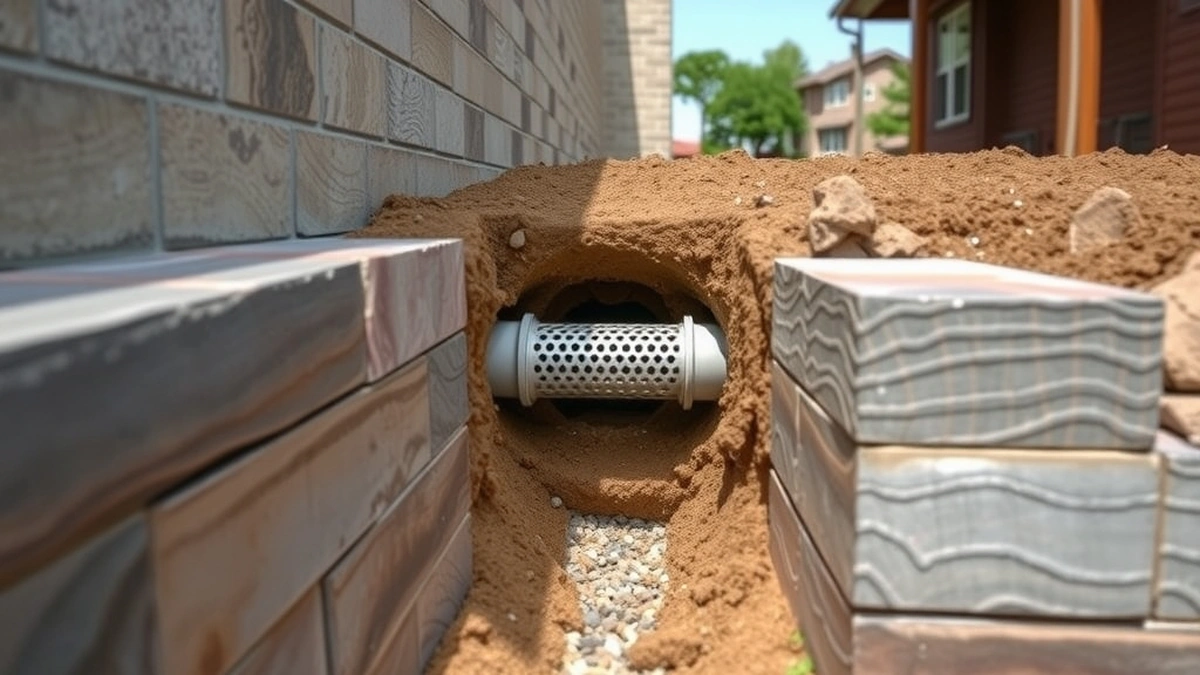
- Look for the drainage description. Gravel, filter fabric, and a perforated pipe at the base should appear in any detailed review.
- Note the age of the wall. A five-star review posted a week after completion is a review of the crew, not the wall.
- Read the negative reviews for specifics. “Rude office staff” is a service issue; “boards bowed within two years” is a construction issue.
- Ask the contractor for references from walls built at least five years ago, then call those owners and ask about drainage and movement.
- Confirm permit handling in writing. A contractor who offers to skip the permit on a wall that needs one is telling you how the rest of the job will go.
Reviews of contractors also reflect pricing behavior. Watch for quotes that exclude drainage and backfill as a separate “option”, because that option is not optional. It is the difference between a wall and a dam.
What to ask before you sign
Ask for the lumber grade and treatment rating in writing, the post spacing and embedment depth, the drain outlet location, and whether geogrid or deadmen are included. Ask what happens if the wall moves in the first two years, and get the answer in the contract rather than in conversation.
Ask about height limits too. Many US jurisdictions require a permit and engineered drawings above 4 feet, and some regulate lower walls that carry a driveway or structure above them. A contractor who knows the local threshold without looking it up is a better sign than any review score.
If you are still choosing a material, timber vs segmental block compares first cost against service life, and timber problems lists the symptoms that show up in the reviews you are reading. For local contractors, retaining wall near me covers how to check licensing and insurance before you call.
Frequently asked questions
Are timber retaining walls well reviewed by owners?
Reviews are mixed but predictable. Owners who report a gravel base, a drain pipe, and ground-contact rated lumber tend to be satisfied, while owners who report boards set against clay soil complain about rot and bowing within a few years.
What do negative timber wall reviews usually complain about?
The recurring complaints are rotting bottom courses, boards bowing outward after heavy rain, rusted fasteners, and a lifespan shorter than the owner expected. Most trace back to drainage rather than the species of wood.
How much should a timber retaining wall cost according to reviews?
Quotes cluster around $10 to $25 per square foot for the timber, plus $5 to $15 per square foot for drainage and backfill, so a 30 foot by 3 foot wall works out to about $1,350 to $3,600 depending on site and finish.
Should I trust a contractor review that mentions no drainage?
No. A review that describes the wall build without gravel, filter fabric, or a drain pipe is describing a wall likely to fail, regardless of how positive the tone is or how neat the finished face looks.
Are timber walls cheaper than block according to reviews?
Owners consistently report timber as the lower first cost, at $10 to $25 per square foot against $15 to $35 for segmental block, but several note that block needed no replacement within the same period.
What questions should I ask before hiring a timber wall contractor?
Ask for the drainage detail, the lumber treatment rating, the embedment depth, whether a permit is required, and two local references from walls more than five years old. Vague answers on drainage are the clearest warning sign.
Sources
Some links are affiliate links.If you buy through them we may earn a commission at no extra cost to you. We do not accept payment for rankings. Read the full disclosure.